
Late blight is a destructive plant disease that can wreak havoc on crops like potatoes and tomatoes. Caused by the water mold Phytophthora infestans, this pathogen thrives in specific environmental conditions.
The Perfect Storm for Late Blight ⛈️
Phytophthora infestans loves cool, wet weather. The ideal conditions for an outbreak are temperatures between 60°F and 70°F (15°C to 21°C) combined with high humidity. Think of those long, rainy spells or extended periods of leaf wetness—that’s when the pathogen is most active. Rain also plays a key role in spreading the disease, as it can carry the pathogen’s spores over long distances.
The disease can even survive the winter, hiding out in infected potato tubers left in the ground or in cull piles. It can also be harbored by volunteer tomato and potato plants that pop up on their own.
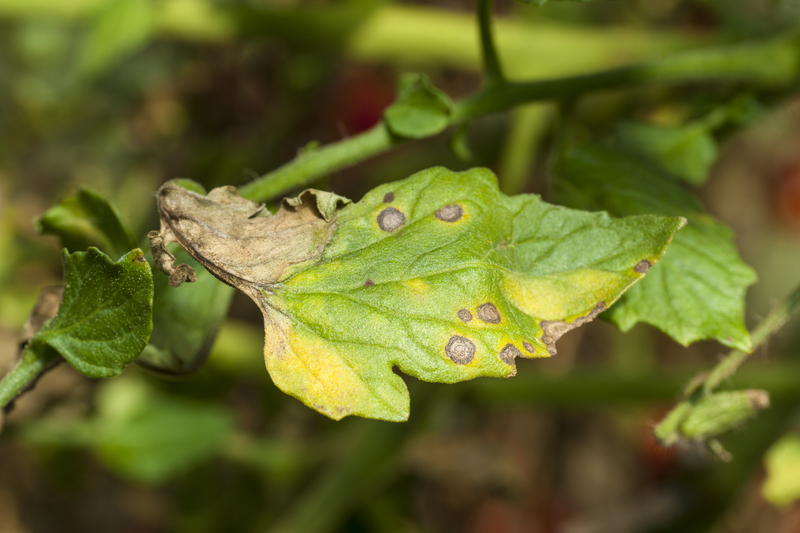
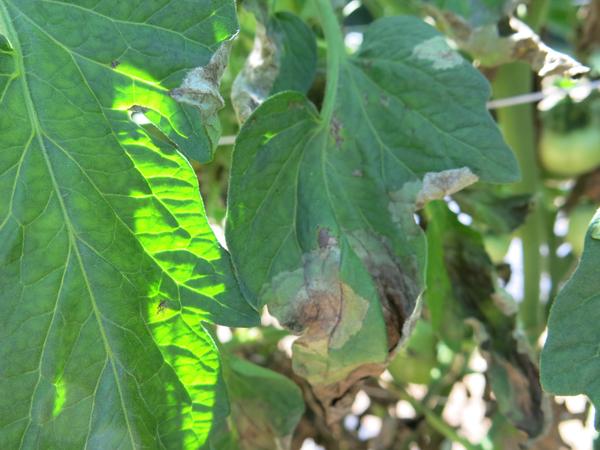
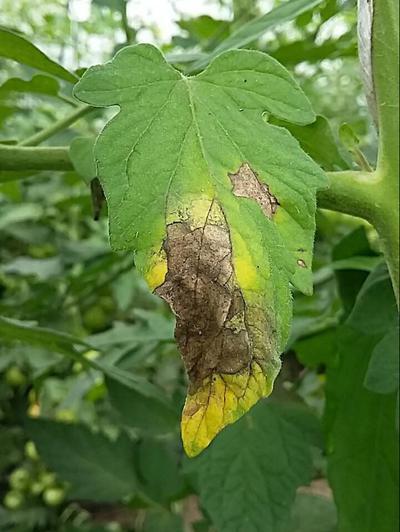
Tomato Plants Infected by the Late Blight Plant Pathogen Phytophthora Infestans. Macro.
Copper and Nano silver (Colicab-Cu): A Dynamic Duo for Control ✨
When it comes to fighting late blight, copper-based product have long been a reliable and effective defense. They work by preventing the pathogen from growing and spreading.
But there’s a new player on the scene: nano silver. Silver nano-particles have shown powerful anti-fungal properties against a variety of plant pathogens. They function by breaking down the microbes’ cell walls and disrupting their normal processes, essentially stopping the disease in its tracks.
Interestingly, studies suggest that copper and silver nano particles are a highly effective team. Their tiny size allows them to penetrate microbial cells more easily than traditional treatments, which could make them even more potent. Plus, because they’re effective at lower doses, these nano particles are seen as a potential, more environmentally friendly alternative to conventional fungicides.
Leave a Reply