Our Blogs

Tag: amicusagro

  • From Powder to Power: Your Guide to Beating Powdery Mildew 🌶

    From Powder to Power: Your Guide to Beating Powdery Mildew 🌶

    Ever noticed your green chili plants looking like they’ve been dusted with flour? That’s not a kitchen mishap—it’s powdery mildew, a common and stubborn fungal disease. But don’t worry, you don’t have to surrender your crop! In this guide, we’ll help you understand what this pesky fungus is, how it spreads, and what you can do about it, from simple fixes to cutting-edge tech.


    What’s Happening to My Plant? The Powdery Mildew Breakdown

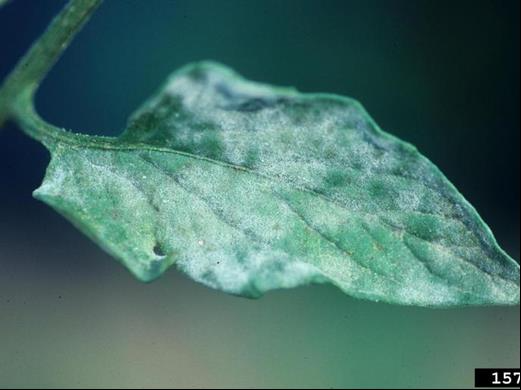
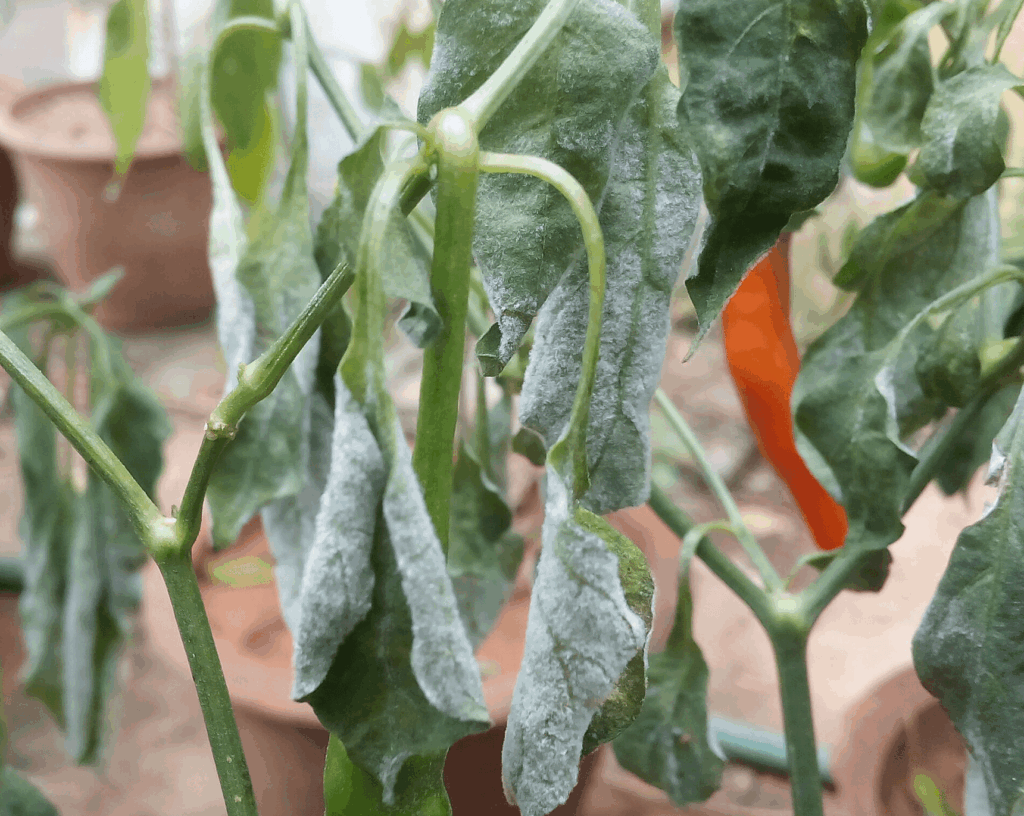
    Powdery mildew on green chili plants is caused by a fungus called Leveillula taurica. It shows up as white, powdery spots on leaves, stems, and sometimes even the chilies themselves. If you ignore it, the leaves can shrivel and fall off, leaving your precious peppers exposed to the sun and ruining your harvest.


    The Perfect Storm: Why Powdery Mildew Loves Your Garden

    This fungus is a master of survival. While many fungi need a lot of water to thrive, powdery mildew prefers warm, dry conditions with high humidity. It’s a bit of a paradox! It loves temperatures between 60°F and 77°F (15°C to 25°C) but gets a little shy when temperatures soar above 95°F (35°C).

    Interactive Poll: Do you live in a climate with hot, dry days and humid nights? (Yes/No)
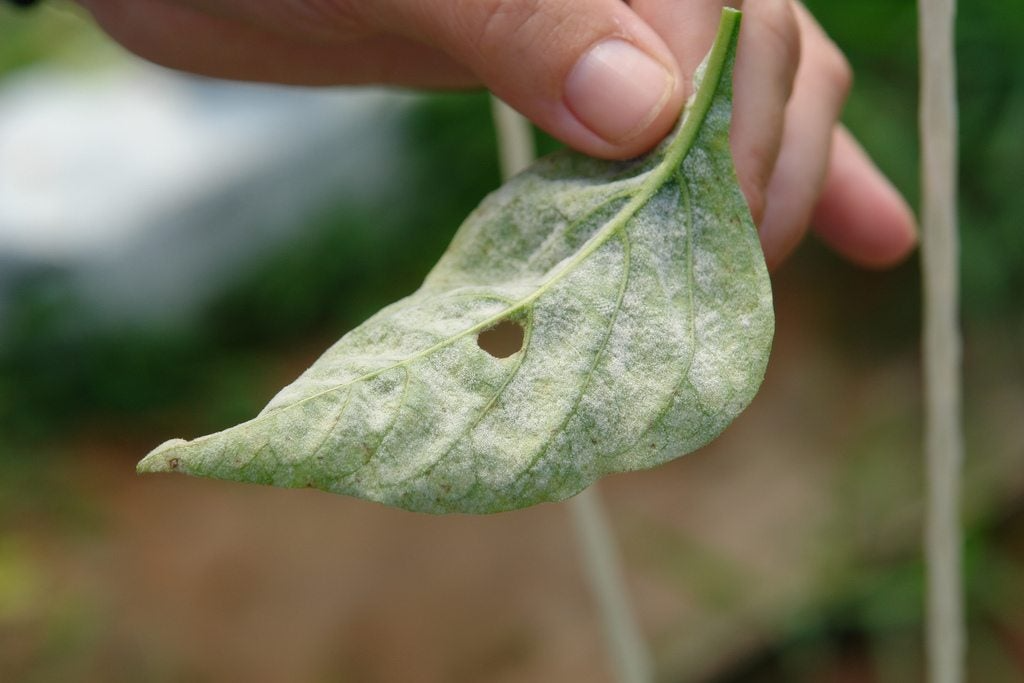
     powdery mildew on the Green Chilli plant

    Your Game Plan: Simple Steps to Keep Your Plants Healthy

    Prevention is always easier than a cure. Here are some simple, low-tech ways to fight back:

    • Give Them Space: Proper air circulation is key. Make sure your plants aren’t too crowded.
    • Trim It Up: Prune away any thick, bushy sections to help air flow through the plant.
    • Watch How You Water: Water at the base of the plant, not on the leaves, and avoid watering late in the day.
    • Choose Wisely: Next time you plant, look for chili varieties that are resistant to powdery mildew.
    • Try DIY Remedies: Solutions like baking soda or diluted milk sprays can be effective if you catch the problem early.

    Share Your Tip: What’s your go-to home remedy for powdery mildew? Let us know in the comments!


    The Future is Here: Nanotechnology to the Rescue

    For a more advanced approach, we are now using silver nanoparticles (Pensil) to fight powdery mildew. This is a game-changer for high-value crops like green chilies.

    • Nano Silver: Think of these as tiny silver bullets for the fungus. They release silver ions that disrupt the fungus’s metabolism and literally suffocate its cells. They can even damage the fungus’s DNA, preventing it from reproducing.

    Using the silver nanoparticles (Pensil) is a more sustainable option, as it is effective in much smaller amounts than traditional fungicides. It’s a glimpse into the future of farming!


    Final Thought: Whether you use a simple spray or a high-tech solution, staying ahead of powdery mildew is crucial for a healthy and abundant green chili harvest. What step will you take first to protect your plants?
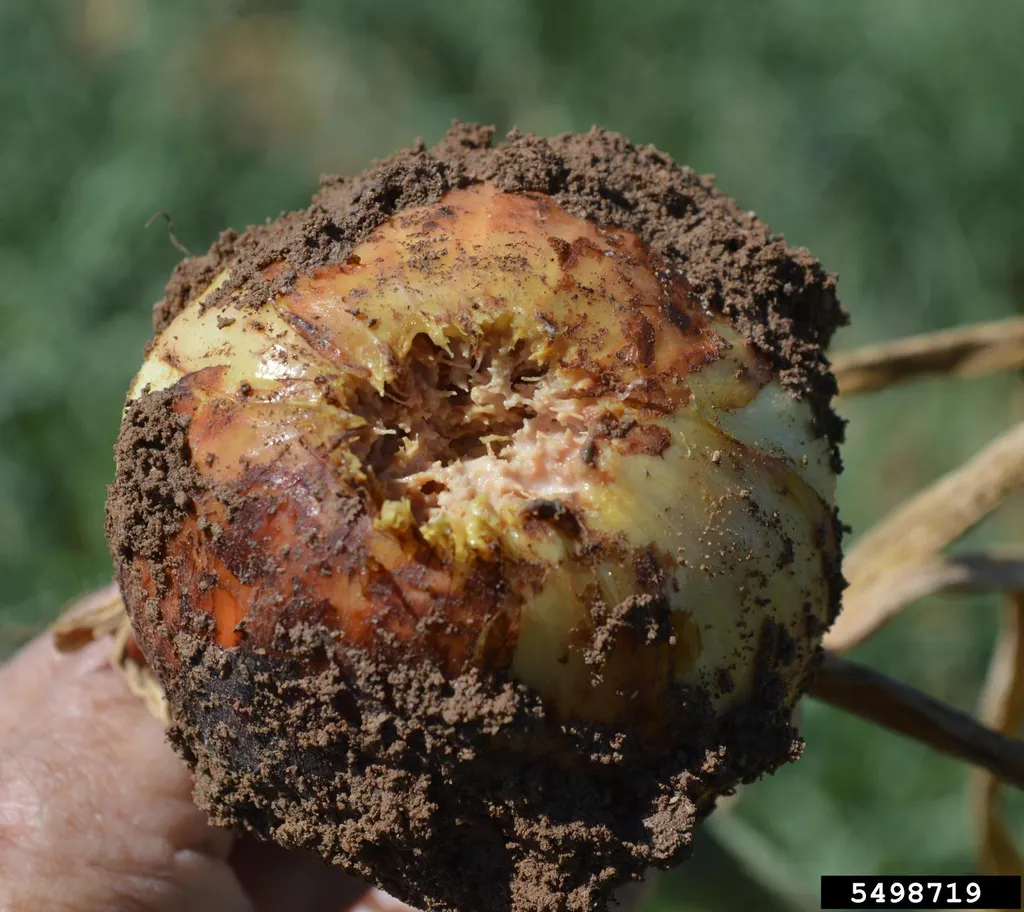
  • Protecting Your Onions: A Guide to Managing Fusarium Basal Rot 🧅

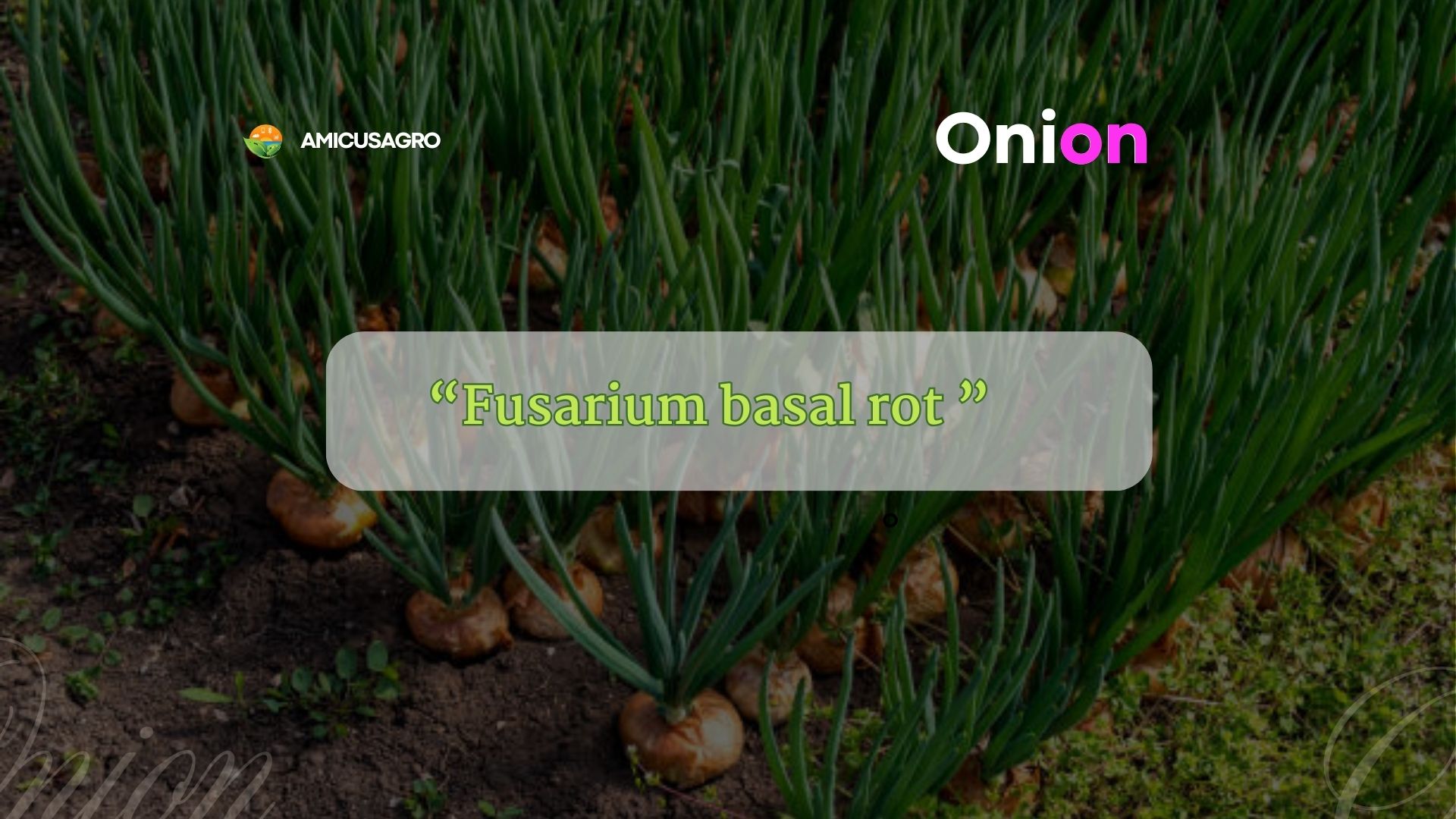
    Protecting Your Onions: A Guide to Managing Fusarium Basal Rot 🧅

    Causes of Fusarium Basal Rot

    This disease is caused by the fungus Fusarium oxysporum f. sp. cepae. 🧅

    The fungus primarily enters the plant through a few key pathways:

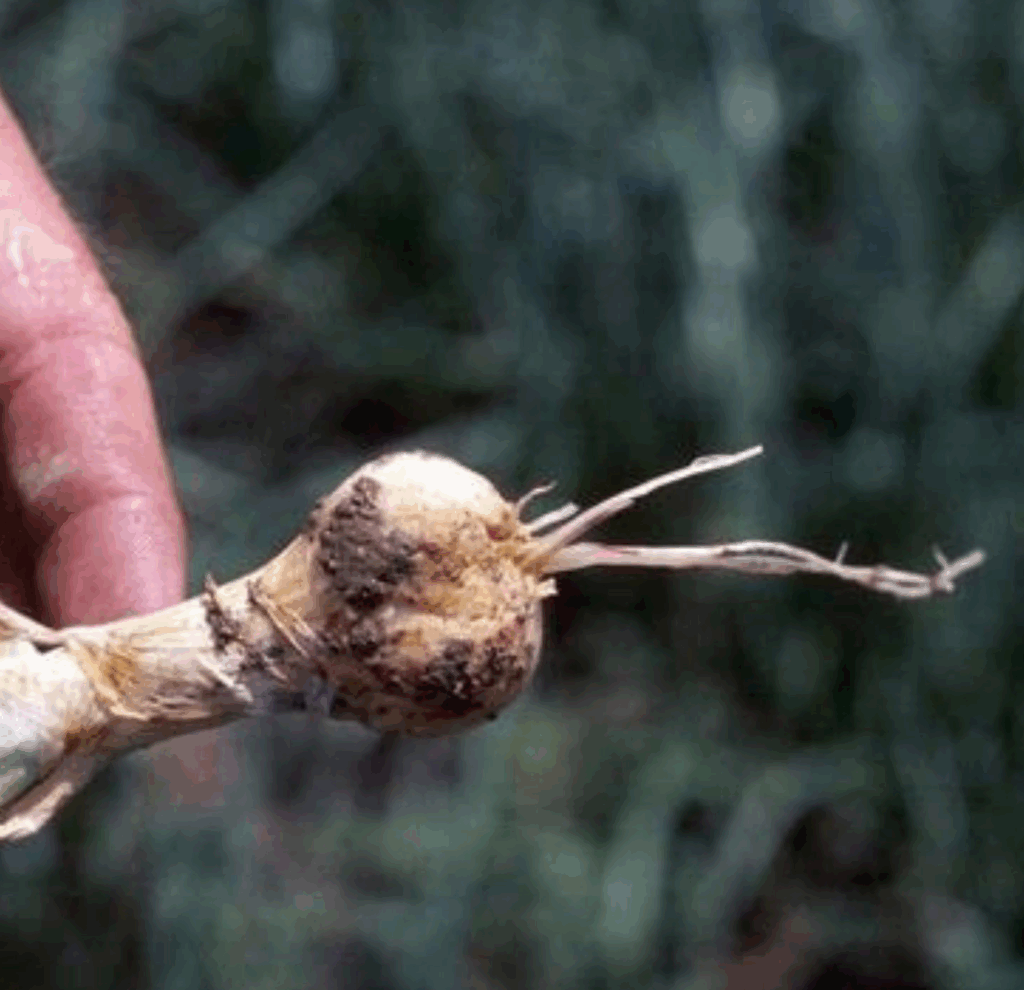
    • Through the Basal Plate: The fungus directly infects the “basal plate,” which is the hard, plate-like area at the bottom of the onion bulb where the roots emerge.
    • Wounds as an Entry Point: Any damage or wound to the basal plate significantly increases the risk of infection. The fungus can also spread through the soil, infecting the roots and basal plates of neighboring plants.

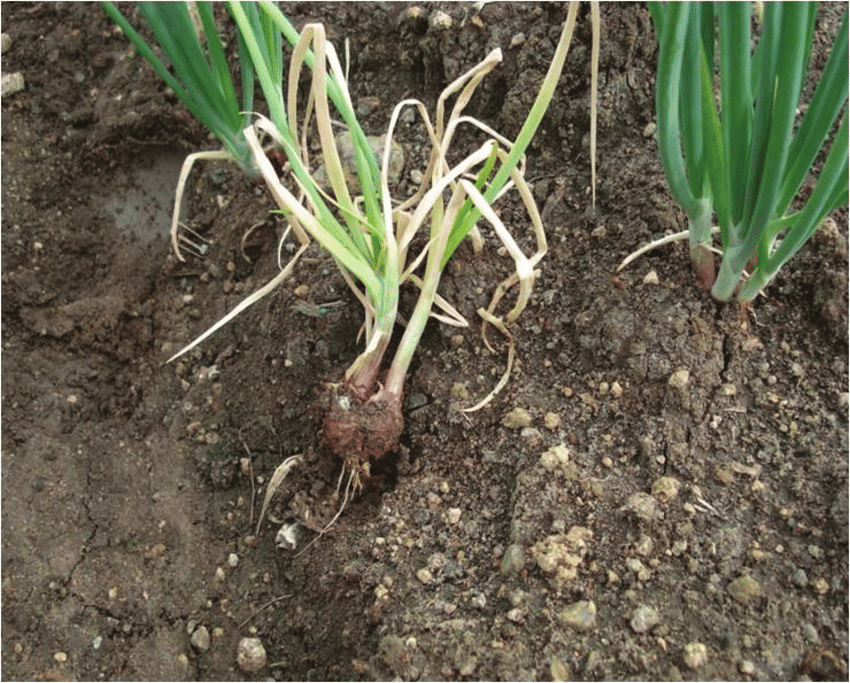
    Once inside, the fungus rots the basal plate, severing the connection between the roots and the bulb. This cuts off the plant’s supply of water and nutrients, causing the leaves to turn yellow and die back, which stunts the plant’s growth.


    Ideal Environment for Fusarium Basal Rot

    This disease is primarily triggered by warm soil temperatures.

    • Temperature: The ideal temperature range for disease development is 25°C to 29°C. The disease is rarely a concern in cooler soil temperatures below 15°C.
    • Continuous Cropping: Similar to other soil-borne diseases, planting onions in the same field year after year can lead to dangerously high populations of the Fusarium fungus.

    Integrated Management: The Best Control

    • Crop Rotation: The most effective way to reduce the Fusarium population in the soil is to rotate with non-host crops (like corn, lettuce, or cereals) for at least four years.
    • Planting Time: In regions with hot summers, plant earlier in the season so the crop can mature before soil temperatures get too high, minimizing disease pressure.
    • Enhance Soil Health: Healthy, well-draining soil fosters robust root systems that are more resistant to infection.
    • Fungicides: To protect the roots and basal plate, fungicides specifically for Fusarium should be applied to the soil via spraying or drenching.

    The Role of Nano Silver (Siller-100)

    • Nano Silver: Nano silver is an effective disinfectant for soil. Its microscopic particles can actively destroy the Fusarium fungus when applied as a drench. Its ability to disrupt the fungus’s cell walls and metabolism provides strong protection for the roots, especially when seedlings are still vulnerable.
  • Understanding and Preventing Damping-Off in Onion Cultivation 🧅

    Understanding and Preventing Damping-Off in Onion Cultivation 🧅

    Why Damping-off Occurs 🦠

    Damping-off is a serious disease in onions caused by a complex of various soil-borne fungi, most frequently Pythium, Rhizoctonia, and Fusarium. The disease attacks in two primary ways:

    1. Pre-emergence Damping-off: The fungus attacks and rots the seed before it can sprout and break through the soil. From a farmer’s perspective, this looks like empty patches in the seedling tray or extremely poor germination. 😔
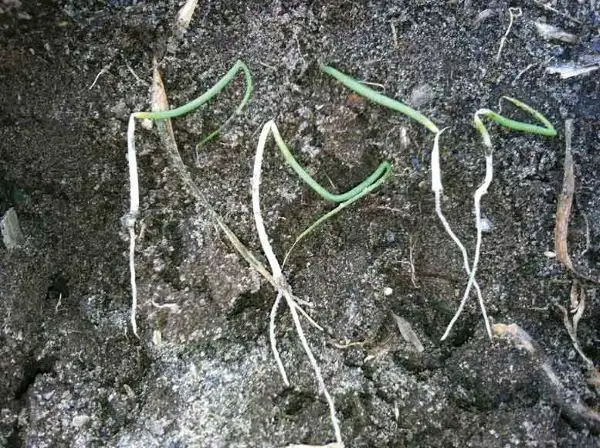
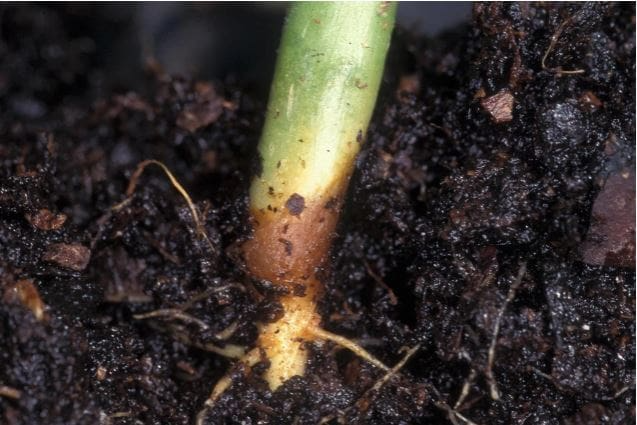
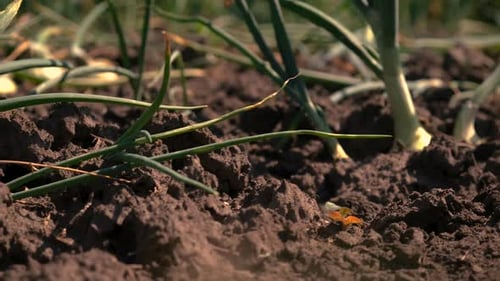
    2. Post-emergence Damping-off: This is the classic symptom. After successfully sprouting, the seedling abruptly develops a thin, constricted, or water-soaked lesion at the soil line. The stem becomes weak, can no longer support the seedling, and it topples over and dies, even though the upper leaves might still look green.

    The Ideal Conditions for Damping-off 🌧️

    The primary factors influencing damping-off are the nursery’s soil and surroundings.

    • Overwatering and high soil moisture are the most common causes.
    • Poor Drainage: Waterlogging results from using heavy, compacted soil or seedling trays that lack sufficient drainage holes. 💧
    • Cloudy, damp, and cool weather: Slowed growth caused by low light and cool temperatures means seedlings remain in their vulnerable stage longer, giving the fungus more time to attack. ☁️
    • High Seed Density: Excessive seeding results in spindly, feeble seedlings and poor air circulation, which retains moisture at the soil’s surface.

    How to Control It 🛡️

    The best way to control damping-off is to prevent it. This involves controlling the nursery environment and safeguarding the seed and seedling.

    • Use Sterile Media: Start your seedlings with a sterile, well-draining, soilless potting mix. Make sure the nursery has adequate ventilation or use a fan to keep the soil surface dry. 🌬️
    • Plant Sparingly: Avoid planting your seeds too densely. 🌱

    Role of Nano Silver (Siller-100) 🧪

    Nano silver (Siller-100) can effectively disinfect the soil. Its microscopic particles actively kill Pythium, Rhizoctonia, and other damping-off pathogens when applied as a drench within the soil. Its dual mechanism of causing cell wall damage and metabolism disruption results in a potent sterilizing effect in the root zone. This makes it effective for both prevention and halting the spread of an outbreak to other seedlings in a tray. ✨

    Did you find this information helpful? Like and share this post with other farmers, and leave a comment below with your own tips for preventing damping-off in onions!

  • The Unseen Threat: Battling White Rot in Onion Crops 🧅

    The Unseen Threat: Battling White Rot in Onion Crops 🧅

    Hello Plant Parents ,🌱

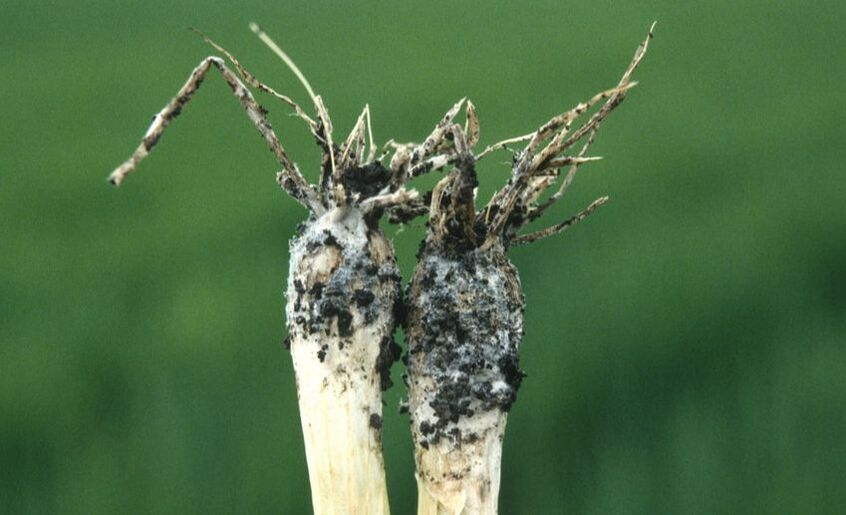
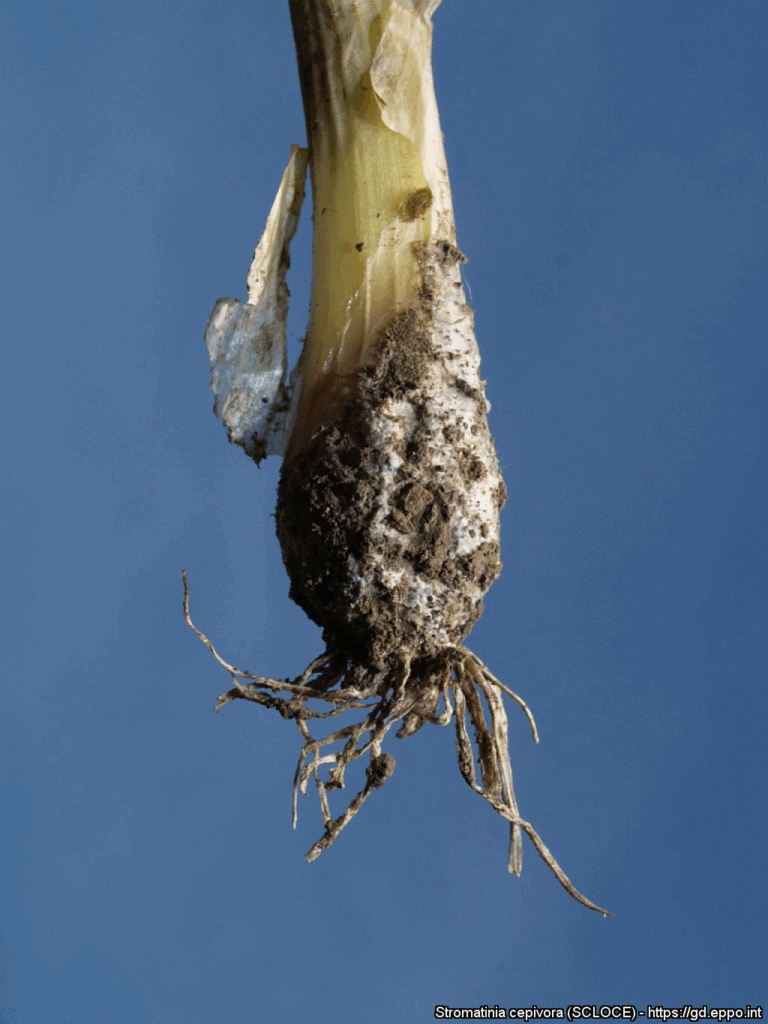
    For onion growers, a major threat is White Rot, caused by the fungus Sclerotium cepivorum. Once it establishes in the soil, it can survive for many years and spread rapidly under favorable conditions. White rot affects the roots, covering them with white threads (mycelium), causing the plants to wilt, die back, and halt growth.

    Favorable Environment for White Rot❄💧

    White rot thrives in cool and moist conditions. Soil that is damp with a pH of 6–7 is ideal for its growth. The fungus is most active at temperatures between 15–25°C, though it can survive and spread between 0°C and 30°C. Areas with living onion roots accelerate the spread, making certain fields more vulnerable.

    Nano Silver: Modern Solution (Siller-100)🥈

    A modern preventive measure that is gaining popularity among farmers is Nano Silver (100 ppm). Nano Silver consists of extremely small silver ions (Ag⁺) that are highly effective against fungal growth.

    How Nano Silver Works:

    • Its nanoparticle size allows it to penetrate fungal cells easily.
    • It disrupts proteins and enzymes required for fungal growth.
    • It can damage the fungal DNA, stopping reproduction.

    By applying 100 ppm Nano Silver, the spread of the fungus is reduced, the roots remain healthy, and the plants grow normally.

    Conclusion

    White rot in onions is a hidden threat in the soil, but with proper field management, hygiene, and modern solutions like Nano Silver( Siller-100) , it is possible to control the disease and maintain healthy, productive onion crops.


  • 🧅 Fighting Purple Blotch in Your Onion Patch 🧅

    🧅 Fighting Purple Blotch in Your Onion Patch 🧅


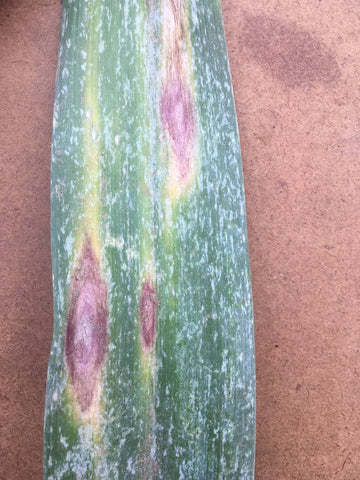
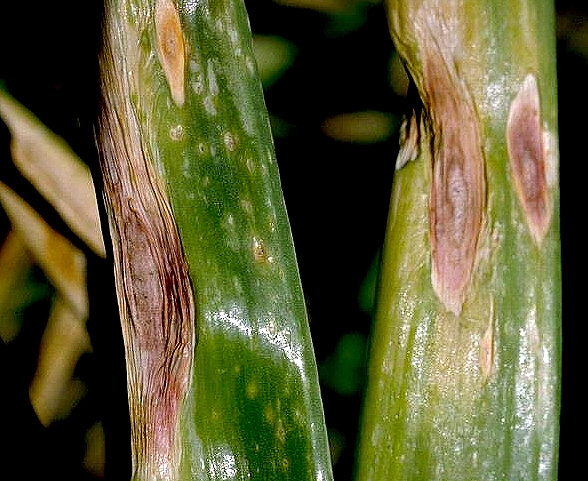
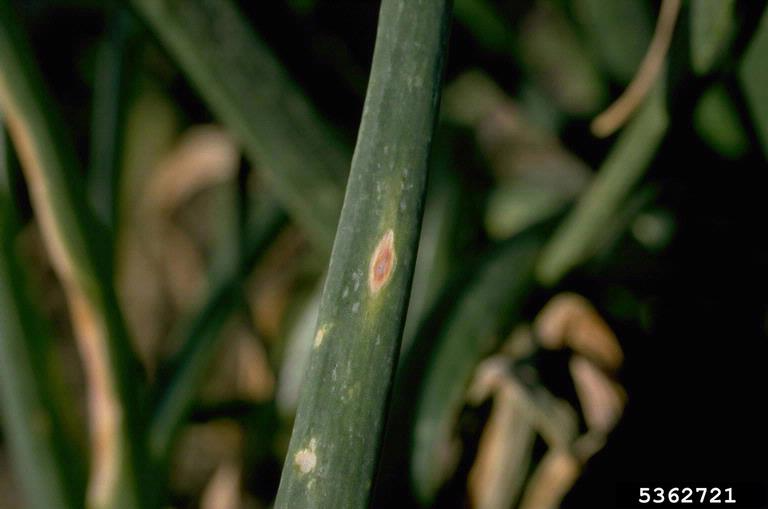
    Is your onion crop looking a little sad with purplish spots? 😟 You might be dealing with Purple Blotch, a common fungal disease that can wreak havoc on your harvest. Don’t worry, we’re here to break down why it happens and how you can fight back! 💪

    What’s Behind the Blotch?

    The culprit is a fungus called Alternaria porri. Think of it as a tiny, destructive seed waiting for the perfect conditions to sprout. Here’s how it gets started:

    • Past Problems: The fungus can survive the winter on leftover onion leaves and debris from the last season. It’s like a hidden enemy waiting for spring! 🍃
    • Wind and Rain: When the weather is right, the fungus releases microscopic spores that are easily carried by wind and splashes of water from rain or irrigation. 💨💧
    • Weak Spots: Spores love to infect healthy leaves, but they find it much easier to get in through wounds caused by pests (like thrips), hail, or any mechanical damage. It’s like an open door for the disease. 🚪
    purple blotch of onion
    purple blotch of onion
    purple blotch

    The Perfect Storm for Fungus ⛈️

    This fungus loves a specific environment to really take off:

    • High Humidity: It thrives in air with over 90% humidity.
    • Wet Leaves: Spores need a film of water on the leaves to germinate. This happens when your onion leaves stay wet for more than 12 hours from dew, light rain, or fog. 🌧️
    • Warmth: It’s happiest in temperatures between 21°C and 30°C (70°F and 86°F). 🌡️

    Your Secret Weapons: Nano Copper & Silver (Colicab – Cu) 🛡️

    So, how do you protect your crop? Nanoparticle solutions of copper and silver are fantastic tools for controlling this fungus. They work in a few clever ways:

    • Physical Attack: They physically damage the fungus’s cell wall and membrane, making it leak and fall apart. 💥
    • Stopping the Engine: Once inside, they shut down the fungus’s metabolism by deactivating vital enzymes, essentially suffocating it. 😮‍💨
    • Corrupting the Blueprint: They even mess with the fungus’s DNA, preventing it from reproducing. This multi-pronged attack makes it incredibly hard for the fungus to become resistant. 🧬
    • Protective Shield: Copper, in particular, acts as a powerful preventative shield, stopping the infection from ever starting. It’s like putting on armor before the battle begins! ⚔️

    By understanding how this disease works and using the right tools, you can protect your onion harvest and keep your crop healthy and strong! 🧅✨

  • Battling Bacterial Leaf Spot in Your Tomato Garden 🍅

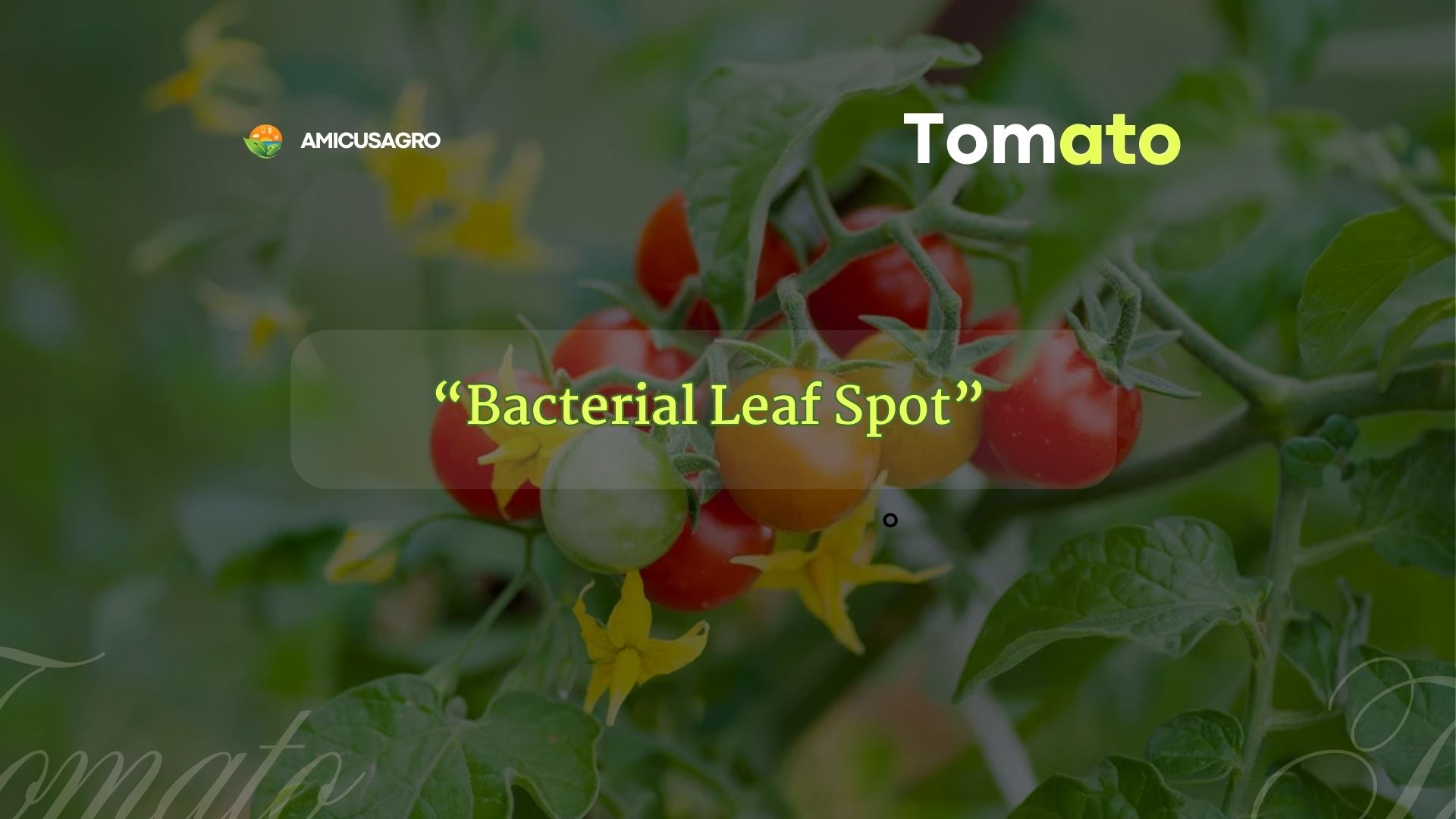
    Battling Bacterial Leaf Spot in Your Tomato Garden 🍅

    Is your tomato crop showing signs of spotting? You might be facing Bacterial Leaf Spot, a tricky disease that loves to attack in warm, humid weather. Let’s break down what it is, how it spreads, and what you can do to protect your plants!


    What is Bacterial Leaf Spot?

    This disease is caused by several microscopic bacterial species from the Xanthomonas family. These tiny organisms can cause big problems, turning healthy leaves into a spotted mess.

    How Does It Spread?

    This disease is an expert at finding its way into your garden.

    • Contaminated Seeds & Transplants: The most common entry point is through infected seeds or seedlings. Always start with clean, certified plants to give yourself a head start.
    • Water Splash: The real danger lies in water. Bacteria on an infected leaf can be splashed onto a healthy one by rain or overhead irrigation. From there, they “swim” in the water film on the leaf surface, looking for an entry point. 💧
    • Warm, Humid Weather: This is the perfect breeding ground. The bacteria thrive in temperatures between 24°C and 30°C. High humidity, prolonged dew, and frequent rain create the ideal conditions for the disease to spread quickly throughout your tomato crop. ☀️
    bacterial leaf spot in tomato
    bacterial leaf spot in tomato
    bacterial leaf spot in tomato

    Your Secret Weapons: Nano Silver and Copper (Colicab-Cu)

    Once this disease is established, it can be tough to control. That’s why prevention is your best strategy. Two powerful tools in your arsenal are copper compounds and nano silver.

    Copper Compounds: The Protective Shield 🛡️

    Copper is a widely used bactericide that acts like a protective barrier for your plants.

    • How It Works: When sprayed, it creates a layer on the leaf surface. When bacteria land on this layer, the released copper ions are poisonous to them, stopping them from growing and infecting the plant.
    • Best Use: Apply copper before a rainstorm. It works as a preventive shield to stop infections from ever starting.

    Nano Silver: The Aggressive Disinfectant ⚔️

    Nano silver is a modern, potent bactericide that actively attacks and kills bacteria.

    • How It Works: Its microscopic particles work in multiple ways:
      • They break open the bacterial cell wall.
      • They disrupt the bacteria’s metabolism and energy production.
      • They damage the bacteria’s DNA, preventing them from reproducing.
    • Best Use: Because it actively kills bacteria, nano silver can help manage an existing infection and stop it from spreading further. Plus, its multi-action mechanism makes it very difficult for bacteria to become resistant.

    Final Takeaway

    Bacterial Leaf Spot is a moisture-driven disease that thrives in warm, humid conditions. The best defense is to manage the moisture in your field and apply a protective spray, like copper or nano silver, especially before it rains. Stay proactive and keep your tomato plants healthy and thriving! 🌱

  • 🦠 Fighting the Invisible Foe: Bacterial Wilt 🌿

    🦠 Fighting the Invisible Foe: Bacterial Wilt 🌿

    Bacterial wilt is a plant disease that’s a major headache for farmers and gardeners, especially in warm, humid climates. This nasty little bacterium, Ralstonia solanacearum, loves to lurk in the soil, waiting for the perfect conditions to strike. Let’s dig into what makes this disease so destructive and how we can combat it.


    🌡️ What Makes Bacterial Wilt Thrive?

    This bacterium is a heat-seeker! It flourishes in temperatures between 86°F and 95°F (30°C and 35°C). It also needs lots of moisture to survive and spread. Think of it as a water-loving menace. The bacteria can travel through contaminated water and even on farm equipment. 🚜

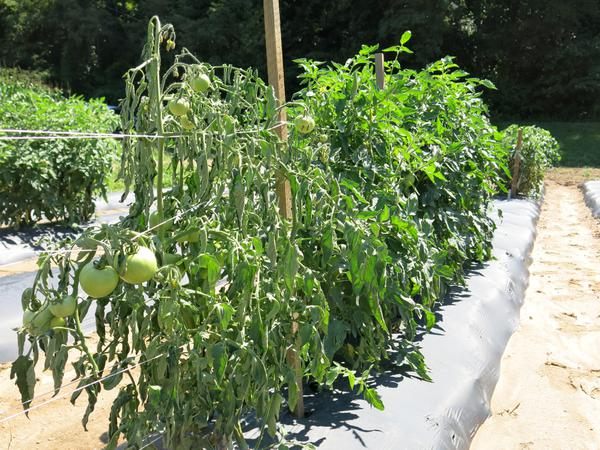
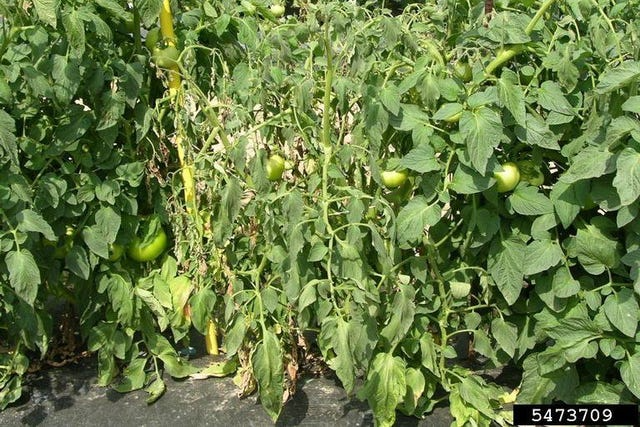
    The real danger comes from root wounds. When a plant’s roots are damaged by insects, transplanting, or cultivation, it’s like opening a welcome mat for the bacteria to sneak inside. Once inside, they multiply rapidly, clogging the plant’s vascular system, which leads to wilting and, eventually, death. 🥀


    🛡️ The Ultimate Defenders: Copper and Nano-silver(Colicab-Cu)

    While bacterial wilt is tough, we have some powerful allies in the fight against it: copper and nano-silver. These substances act as antimicrobial agents, interfering with the bacteria’s ability to function.

    • Copper: Copper has been a trusted fungicide and bactericide for ages. It works by damaging the bacteria’s cell membranes, causing their insides to leak out and the cell to die. Applying copper-based products to the soil can help delay the onset of the disease, giving your plants a fighting chance! 💪
    • Nano-silver: These tiny silver particles are super effective because of their small size and massive surface area. They’re able to slip right into bacterial cells, disrupting essential processes like respiration, metabolism, and DNA replication. This makes them incredibly potent, and research has shown they can significantly reduce the incidence of bacterial wilt. ✨

    So, while bacterial wilt is a persistent problem, understanding its triggers and utilizing these powerful tools can help protect our crops and gardens from its destructive effects.

  • Battling Late Blight: How to Protect Your Plants 🌿

    Battling Late Blight: How to Protect Your Plants 🌿

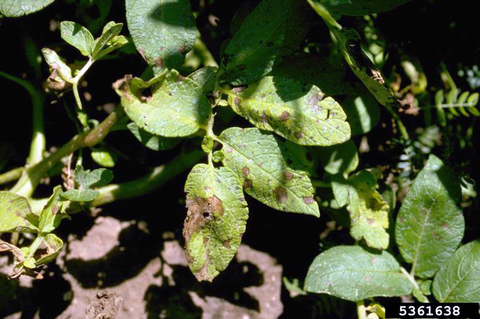
    Late blight is a destructive plant disease that can wreak havoc on crops like potatoes and tomatoes. Caused by the water mold Phytophthora infestans, this pathogen thrives in specific environmental conditions.

    The Perfect Storm for Late Blight ⛈️

    Phytophthora infestans loves cool, wet weather. The ideal conditions for an outbreak are temperatures between 60°F and 70°F (15°C to 21°C) combined with high humidity. Think of those long, rainy spells or extended periods of leaf wetness—that’s when the pathogen is most active. Rain also plays a key role in spreading the disease, as it can carry the pathogen’s spores over long distances.

    The disease can even survive the winter, hiding out in infected potato tubers left in the ground or in cull piles. It can also be harbored by volunteer tomato and potato plants that pop up on their own.

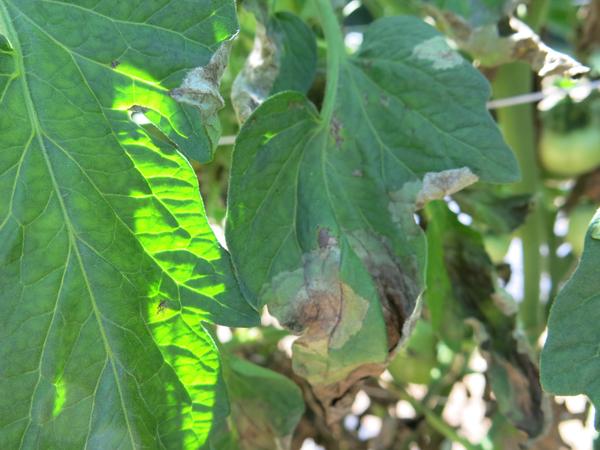
    Tomato Plants Infected by the Late Blight Plant Pathogen Phytophthora Infestans. Macro.

    Copper and Nano silver (Colicab-Cu): A Dynamic Duo for Control

    When it comes to fighting late blight, copper-based product have long been a reliable and effective defense. They work by preventing the pathogen from growing and spreading.

    But there’s a new player on the scene: nano silver. Silver nano-particles have shown powerful anti-fungal properties against a variety of plant pathogens. They function by breaking down the microbes’ cell walls and disrupting their normal processes, essentially stopping the disease in its tracks.

    Interestingly, studies suggest that copper and silver nano particles are a highly effective team. Their tiny size allows them to penetrate microbial cells more easily than traditional treatments, which could make them even more potent. Plus, because they’re effective at lower doses, these nano particles are seen as a potential, more environmentally friendly alternative to conventional fungicides.

  • 🔎 Spotted Leaves? It Might Be Septoria Leaf Spot! 🌿

    🔎 Spotted Leaves? It Might Be Septoria Leaf Spot! 🌿

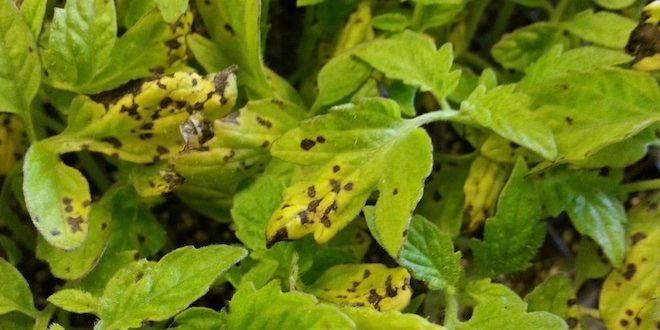
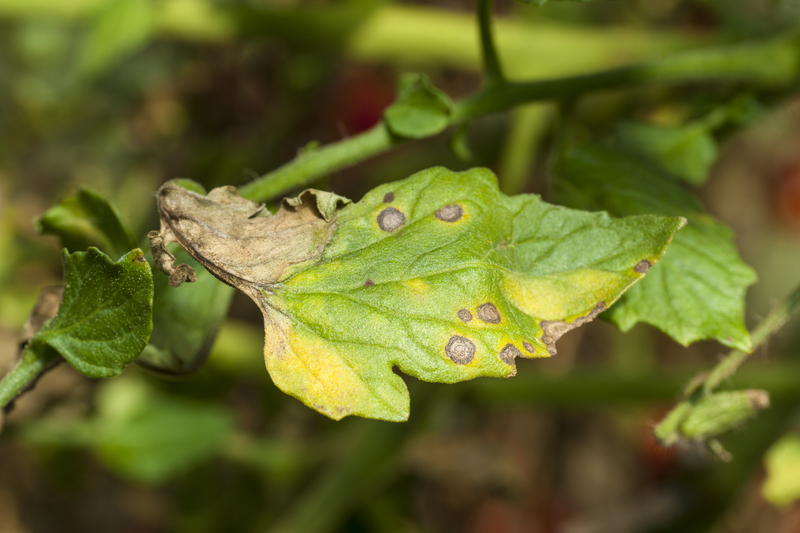
    Ever noticed tiny, circular spots with dark borders on your plant leaves? It’s not just a blemish—it could be Septoria Leaf Spot, a common fungal disease that can weaken your plants and reduce your harvest. Don’t let it ruin your hard work! Let’s break down what it is and how to fight back. 👊

    The Perfect Recipe for an Outbreak ⛈️

    Septoria leaf spot is caused by the fungus Septoria lycopersici. This fungus is a bit of a survivor; it often hangs around on leftover plant debris from last season or on weeds, just waiting for the right moment to strike. It loves a particular set of conditions:

    • 🌡️ Temperature: The fungus thrives in warm temperatures, ideally between 68°F to 77°F (20°C to 25°C).
    • 💦 High Humidity & Wetness: This is the most crucial factor! For the spores to germinate and infect a plant, the leaves must be wet for an extended period. Think about what happens after a long rain or during overhead irrigation.
    • 💨 How It Spreads: The spores are masters of travel! They are mainly dispersed by:
      • Splashing rain and water from overhead sprinklers.
      • Movement of people and animals through wet foliage.
      • Farming equipment when the leaves are damp.

    Ever seen these conditions in your garden? Now you know the perfect storm for Septoria Leaf Spot to appear!


    🛡️ The Modern Solution: Nano-Silver & Copper ! (Colicab-Cu) ✨

    For over a century, traditional copper-based fungicides have been the go-to solution. They work by generating free radicals that damage the fungal cells. But what if there was a smarter, more efficient way?

    Recent research is exploring the power of nanoparticles to control plant diseases. Both nano-copper (CuNPs) and nano-silver (AgNPs) have shown incredible antifungal and antibacterial properties.

    • Small Size, Big Impact: The key is their minuscule size! Nanoparticles are so small that they can enter microbial cells more efficiently than traditional fungicides, giving them a more powerful effect at much lower dosages.
    • A Dynamic Duo: Studies show that these nanoparticles can stop the growth of a variety of plant diseases, including the one that causes leaf spots, especially when they are combined together. They work as a synergistic team, providing a comprehensive defense.

    Looking for a modern, effective way to protect your plants from Septoria Leaf Spot and other diseases? Consider looking into products that use nano-silver and nano-copper. They’re a game-changer for plant health!

    Have you ever battled Septoria Leaf Spot in your garden? Share your experience in the comments below! 👇

  • 🍂Battling Early Blight: A Gardener’s Guide to Prevention & Nano-Solutions! 🍅

    🍂Battling Early Blight: A Gardener’s Guide to Prevention & Nano-Solutions! 🍅

    Is your tomato plant looking a little sad with yellowing leaves at the bottom? You might be dealing with Early Blight, a common fungal foe for gardeners. Don’t worry, we’ve got the lowdown on why it happens and how to fight back, including some cutting-edge nanotech tricks! ✨

    Why Early Blight Attacks

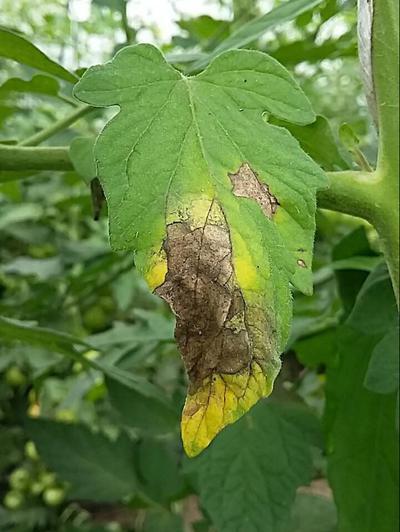
    Early Blight is a sneaky disease caused by the fungus Alternaria solani. This fungus is a bit of a homebody—it loves to hang out on plant debris, on seeds, or even on certain weeds like black nightshade, just waiting for the right moment to strike. It typically goes for the older, lower leaves first, often showing up after your plants have started to produce their first fruits. It’s like the plant version of a surprise attack! 💥

    The Perfect Storm for Fungal Growth ⛈️

    This fungus thrives when the conditions are just right. Think of it as a party animal that only comes out when it’s:

    • Warm: The sweet spot is 75°F to 85°F (24°C to 29°C).
    • Wet & Humid: It needs moisture! Spores are spread by wind and splashing water from rain or your sprinklers. For an infection to take hold, the leaves need to stay wet for a while.
    • Dense: Crowded plants with poor air circulation create a humid microclimate that this fungus absolutely loves.

    🔬The Future is Colicab-Cu : Nano Silver & Copper to the Rescue!🛡️

    Are you ready to give your plants a high-tech shield against disease? 🛡️ Say hello to the future of plant protection: Colicab-Cu! This isn’t magic—it’s nanotechnology in action. By harnessing the power of microscopic silver and copper particles, Colicab-Cu creates a powerful defense that keeps fungal diseases like Early Blight at bay. Get ready to see your plants thrive like never before! 🚀

    • Nano Silver: These minuscule silver particles are like tiny ninjas! They attack fungal cells by disrupting their DNA, preventing them from making proteins, and damaging their cell membranes. Studies show they can dramatically stop the growth of Alternaria solani.
    • (Nano Copper): Even stronger than nano silver, copper nanoparticles are like a special forces unit! Their incredibly small size and huge surface area allow them to easily get inside fungal cells, causing massive damage and oxidative stress. This makes them highly effective at preventing early blight.

    So, while good old gardening practices like proper spacing and watering are key, these Nano-solutions offer a powerful, high-tech shield for your precious plants. Keep an eye out for these innovative products to give your garden the best protection possible! 🌱💪