Our Blogs

Tag: amicusagroproduct

  • Understanding and Preventing Damping-Off in Onion Cultivation 🧅

    Understanding and Preventing Damping-Off in Onion Cultivation 🧅

    Why Damping-off Occurs 🦠

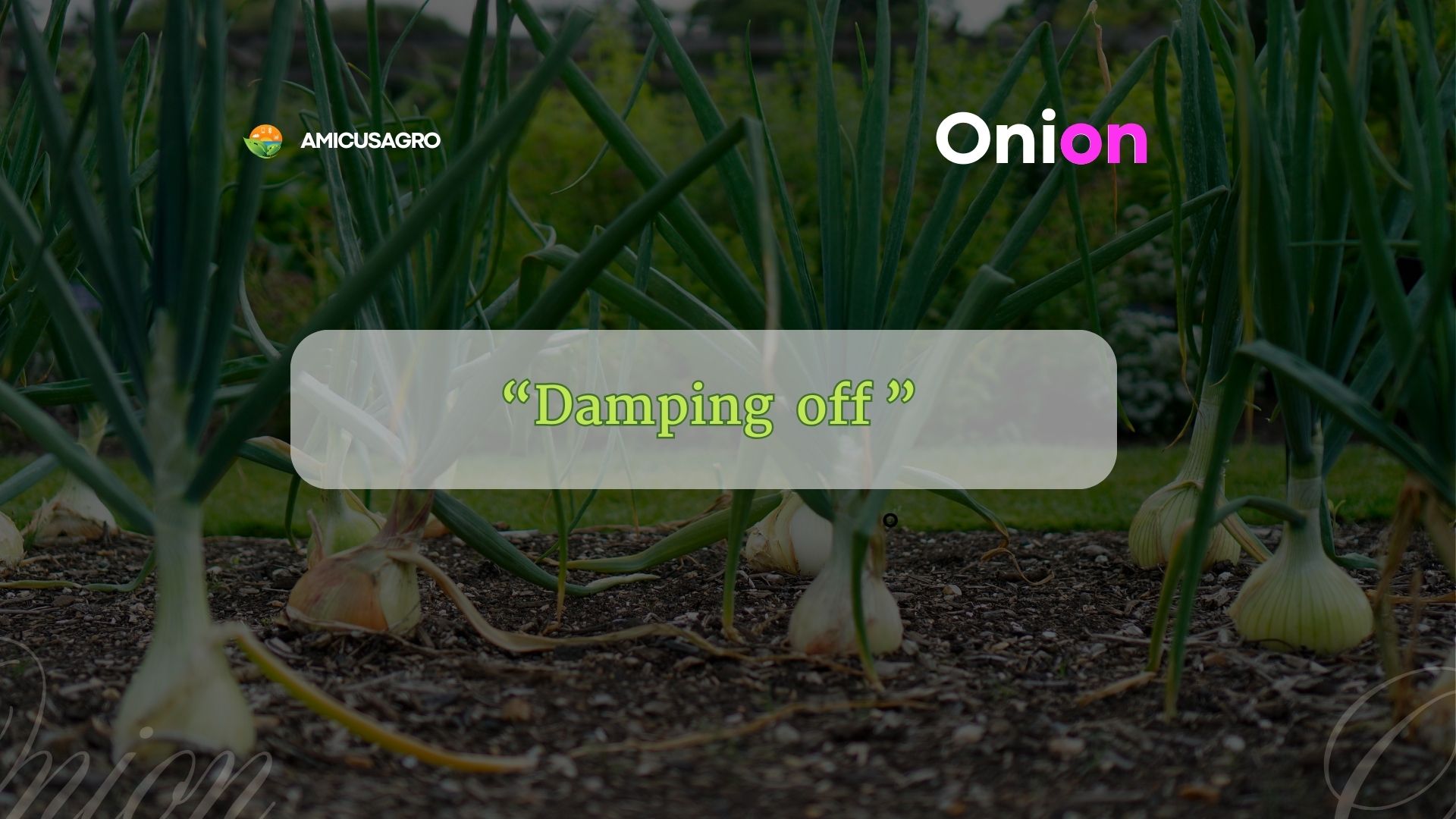
    Damping-off is a serious disease in onions caused by a complex of various soil-borne fungi, most frequently Pythium, Rhizoctonia, and Fusarium. The disease attacks in two primary ways:

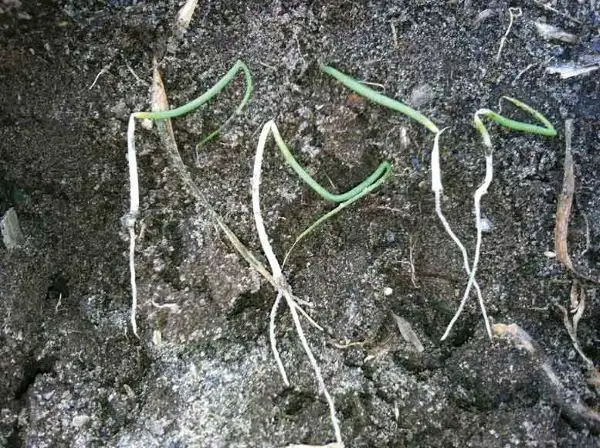
    1. Pre-emergence Damping-off: The fungus attacks and rots the seed before it can sprout and break through the soil. From a farmer’s perspective, this looks like empty patches in the seedling tray or extremely poor germination. 😔
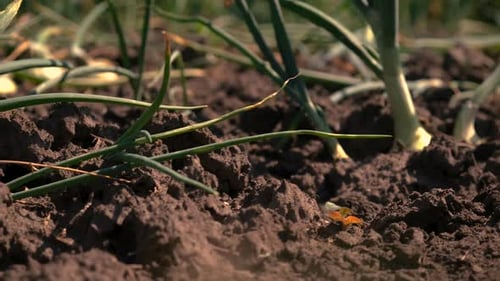
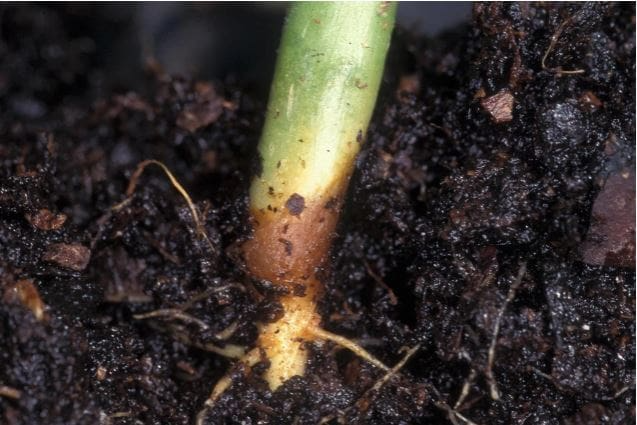
    2. Post-emergence Damping-off: This is the classic symptom. After successfully sprouting, the seedling abruptly develops a thin, constricted, or water-soaked lesion at the soil line. The stem becomes weak, can no longer support the seedling, and it topples over and dies, even though the upper leaves might still look green.

    The Ideal Conditions for Damping-off 🌧️

    The primary factors influencing damping-off are the nursery’s soil and surroundings.

    • Overwatering and high soil moisture are the most common causes.
    • Poor Drainage: Waterlogging results from using heavy, compacted soil or seedling trays that lack sufficient drainage holes. 💧
    • Cloudy, damp, and cool weather: Slowed growth caused by low light and cool temperatures means seedlings remain in their vulnerable stage longer, giving the fungus more time to attack. ☁️
    • High Seed Density: Excessive seeding results in spindly, feeble seedlings and poor air circulation, which retains moisture at the soil’s surface.
    How to Control It 🛡️

    The best way to control damping-off is to prevent it. This involves controlling the nursery environment and safeguarding the seed and seedling.

    • Use Sterile Media: Start your seedlings with a sterile, well-draining, soilless potting mix. Make sure the nursery has adequate ventilation or use a fan to keep the soil surface dry. 🌬️
    • Plant Sparingly: Avoid planting your seeds too densely. 🌱

    Role of Nano Silver (Siller-100) 🧪

    Nano silver (Siller-100) can effectively disinfect the soil. Its microscopic particles actively kill Pythium, Rhizoctonia, and other damping-off pathogens when applied as a drench within the soil. Its dual mechanism of causing cell wall damage and metabolism disruption results in a potent sterilizing effect in the root zone. This makes it effective for both prevention and halting the spread of an outbreak to other seedlings in a tray. ✨

    Did you find this information helpful? Like and share this post with other farmers, and leave a comment below with your own tips for preventing damping-off in onions!
  • 🍅 Battling Bacterial Canker: A Guide for Tomato Growers

    🍅 Battling Bacterial Canker: A Guide for Tomato Growers

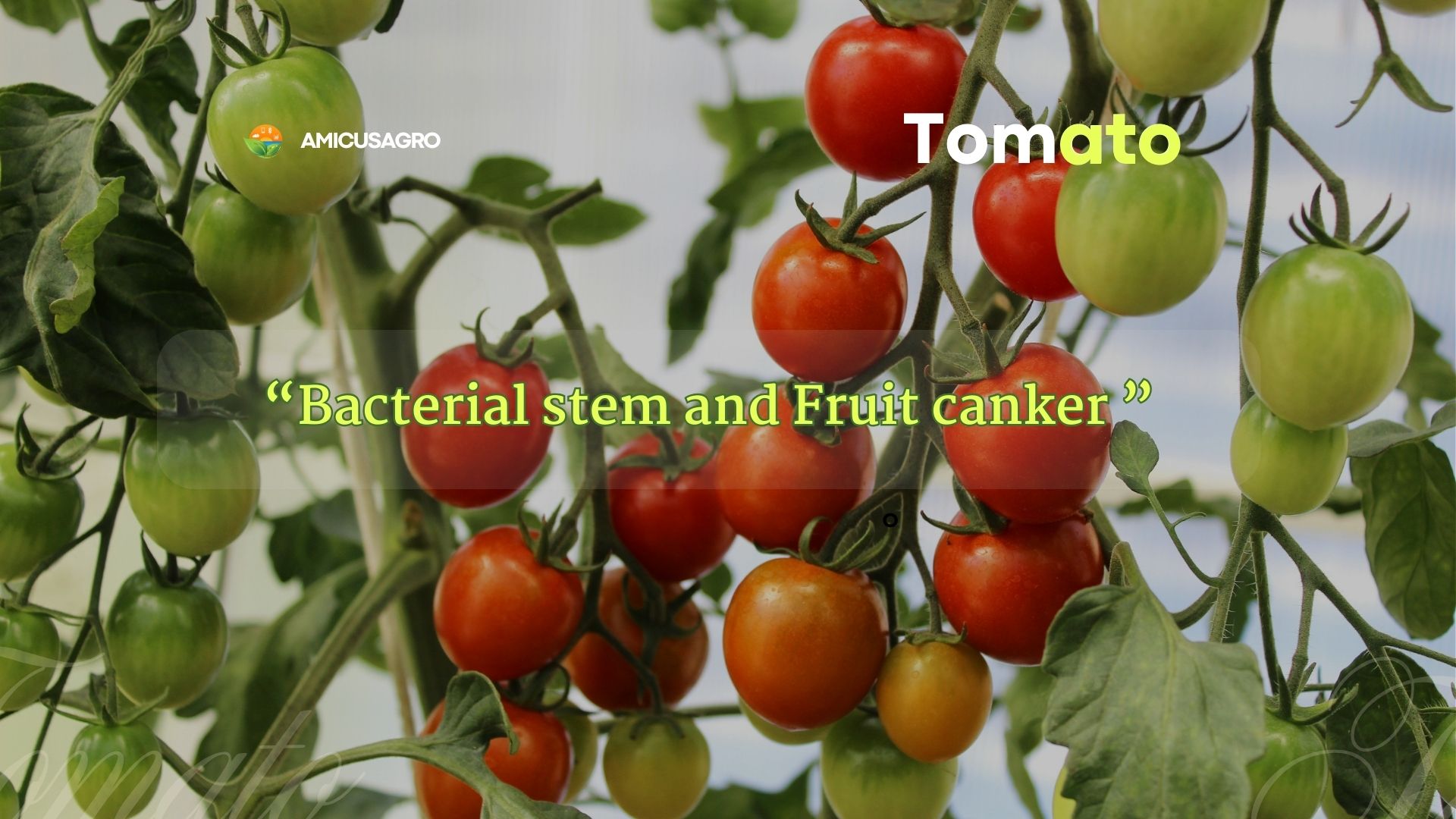
    Bacterial canker, caused by the bacterium Clavibacter michiganensis subsp. michiganensis (Cmm), is a major threat to tomato plants. This highly destructive disease can lead to significant crop loss. Understanding how it spreads and what favors its growth is the first step to protecting your plants.


    🦠 How Does Canker Spread?

    The main way this disease travels is through contaminated seeds or transplants. Once it’s in your garden, it can linger in several ways:

    • Plant Debris: The bacteria can survive in soil for up to three years on old plant remains.
    • Contaminated Tools: Anything from stakes and trellises to pruning shears can harbor the bacteria and spread it from one plant to another. 🛠️
    • Weeds: Solanaceous weeds, like nightshade, can act as a hidden reservoir for the bacteria, keeping the infection alive in your area.

    The bacteria get into the plant through natural openings like stomata or through wounds from insects, pruning, or even just handling the plants. Once inside, they spread through the plant’s vascular system, disrupting water flow and causing severe damage.


    🌡️ The Perfect Storm for Canker

    Bacterial canker loves a warm, humid environment. It thrives in temperatures between 24°C and 32°C (75°F and 90°F). High moisture, whether from rain, sprinkler irrigation, or handling wet plants, helps the bacteria grow and spread rapidly.

    stem canker on tomato plant
    bacterial canker on green tomato
    bacterial canker on ripe tomato

    🛡️ The Nano-Defense: Silver and Copper Nanoparticles (Colicab-Cu)

    While bacterial canker is a tough foe, nano-silver and nano-copper(Colicab-Cu) offer powerful solutions. These nanoparticles are tiny but mighty, acting as broad-spectrum antimicrobial agents against both bacteria and fungi. Their effectiveness comes from their high surface-area-to-volume ratio, which allows them to make optimal contact with pathogens.

    • Nano-Silver (AgNPs): These particles can easily penetrate the cell walls of bacteria. Once inside, they damage the cell membrane, disrupt respiratory enzymes, and even damage the bacteria’s DNA, preventing it from reproducing. Essentially, they shut down the pathogen from the inside out. 💥
    • Nano-Copper (CuNPs): Nano-copper works by generating reactive oxygen species (ROS). These free radicals cause oxidative stress, which damages essential cellular components like proteins and DNA. They also disrupt the cell membrane and create a protective barrier on the plant’s surface to prevent new infections.

    Using these nanoparticles provides a strong defense against bacterial canker, helping you safeguard your tomato plants from this devastating disease.

  • 🔎 Spotted Leaves? It Might Be Septoria Leaf Spot! 🌿

    🔎 Spotted Leaves? It Might Be Septoria Leaf Spot! 🌿

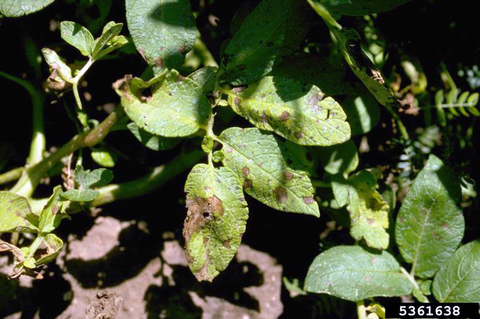
    Ever noticed tiny, circular spots with dark borders on your plant leaves? It’s not just a blemish—it could be Septoria Leaf Spot, a common fungal disease that can weaken your plants and reduce your harvest. Don’t let it ruin your hard work! Let’s break down what it is and how to fight back. 👊

    The Perfect Recipe for an Outbreak ⛈️

    Septoria leaf spot is caused by the fungus Septoria lycopersici. This fungus is a bit of a survivor; it often hangs around on leftover plant debris from last season or on weeds, just waiting for the right moment to strike. It loves a particular set of conditions:

    • 🌡️ Temperature: The fungus thrives in warm temperatures, ideally between 68°F to 77°F (20°C to 25°C).
    • 💦 High Humidity & Wetness: This is the most crucial factor! For the spores to germinate and infect a plant, the leaves must be wet for an extended period. Think about what happens after a long rain or during overhead irrigation.
    • 💨 How It Spreads: The spores are masters of travel! They are mainly dispersed by:
      • Splashing rain and water from overhead sprinklers.
      • Movement of people and animals through wet foliage.
      • Farming equipment when the leaves are damp.

    Ever seen these conditions in your garden? Now you know the perfect storm for Septoria Leaf Spot to appear!


    🛡️ The Modern Solution: Nano-Silver & Copper ! (Colicab-Cu) ✨

    For over a century, traditional copper-based fungicides have been the go-to solution. They work by generating free radicals that damage the fungal cells. But what if there was a smarter, more efficient way?

    Recent research is exploring the power of nanoparticles to control plant diseases. Both nano-copper (CuNPs) and nano-silver (AgNPs) have shown incredible antifungal and antibacterial properties.

    • Small Size, Big Impact: The key is their minuscule size! Nanoparticles are so small that they can enter microbial cells more efficiently than traditional fungicides, giving them a more powerful effect at much lower dosages.
    • A Dynamic Duo: Studies show that these nanoparticles can stop the growth of a variety of plant diseases, including the one that causes leaf spots, especially when they are combined together. They work as a synergistic team, providing a comprehensive defense.

    Looking for a modern, effective way to protect your plants from Septoria Leaf Spot and other diseases? Consider looking into products that use nano-silver and nano-copper. They’re a game-changer for plant health!

    Have you ever battled Septoria Leaf Spot in your garden? Share your experience in the comments below! 👇

  • 🍂Battling Early Blight: A Gardener’s Guide to Prevention & Nano-Solutions! 🍅

    🍂Battling Early Blight: A Gardener’s Guide to Prevention & Nano-Solutions! 🍅

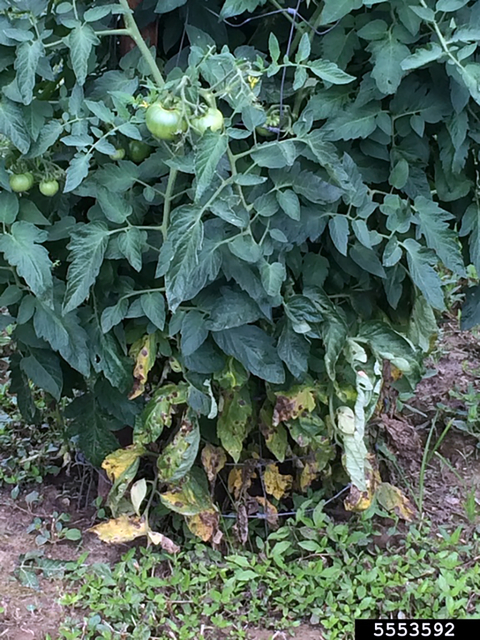
    Is your tomato plant looking a little sad with yellowing leaves at the bottom? You might be dealing with Early Blight, a common fungal foe for gardeners. Don’t worry, we’ve got the lowdown on why it happens and how to fight back, including some cutting-edge nanotech tricks! ✨

    Why Early Blight Attacks

    Early Blight is a sneaky disease caused by the fungus Alternaria solani. This fungus is a bit of a homebody—it loves to hang out on plant debris, on seeds, or even on certain weeds like black nightshade, just waiting for the right moment to strike. It typically goes for the older, lower leaves first, often showing up after your plants have started to produce their first fruits. It’s like the plant version of a surprise attack! 💥

    The Perfect Storm for Fungal Growth ⛈️

    This fungus thrives when the conditions are just right. Think of it as a party animal that only comes out when it’s:

    • Warm: The sweet spot is 75°F to 85°F (24°C to 29°C).
    • Wet & Humid: It needs moisture! Spores are spread by wind and splashing water from rain or your sprinklers. For an infection to take hold, the leaves need to stay wet for a while.
    • Dense: Crowded plants with poor air circulation create a humid microclimate that this fungus absolutely loves.

    🔬The Future is Colicab-Cu : Nano Silver & Copper to the Rescue!🛡️

    Are you ready to give your plants a high-tech shield against disease? 🛡️ Say hello to the future of plant protection: Colicab-Cu! This isn’t magic—it’s nanotechnology in action. By harnessing the power of microscopic silver and copper particles, Colicab-Cu creates a powerful defense that keeps fungal diseases like Early Blight at bay. Get ready to see your plants thrive like never before! 🚀

    • Nano Silver: These minuscule silver particles are like tiny ninjas! They attack fungal cells by disrupting their DNA, preventing them from making proteins, and damaging their cell membranes. Studies show they can dramatically stop the growth of Alternaria solani.
    • (Nano Copper): Even stronger than nano silver, copper nanoparticles are like a special forces unit! Their incredibly small size and huge surface area allow them to easily get inside fungal cells, causing massive damage and oxidative stress. This makes them highly effective at preventing early blight.

    So, while good old gardening practices like proper spacing and watering are key, these Nano-solutions offer a powerful, high-tech shield for your precious plants. Keep an eye out for these innovative products to give your garden the best protection possible! 🌱💪