
Our Blogs

Tag: green chilli diseases

  • Phytophthora Blight & Root Rot in Green Chilli — What To Watch For & How Nano-Solutions Help

    Phytophthora Blight & Root Rot in Green Chilli — What To Watch For & How Nano-Solutions Help

    Why green chilli growers should care

    Phytophthora capsici is a nightmare for green chilli. It attacks roots, stems and fruits, and can cause sudden collapse of plants — especially in low-lying, waterlogged fields. Because green chillies are high-value and often sold fresh, a severe outbreak can wipe out both quantity and marketability.


    🌦️ Conditions that invite trouble (and where chillies get hit hardest)

    Phytophthora doesn’t care about your hard work — it cares about water and warmth:

    • Standing water & poor drainage — root rot starts under the soil. Seedlings and young transplants are extremely vulnerable.
    • High humidity & overhead irrigation — splash dispersal brings spores from soil to stems and fruits → blight that rots fruit and crowns.
    • Warm temperatures (≈ 25–30°C) — ideal for rapid disease development; if these line up with wet weather, you’re in the danger zone.

    Symptoms on green chilli

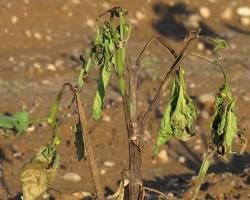
    • Wilting of individual plants or patchy wilting across the bed, often worse after rain.
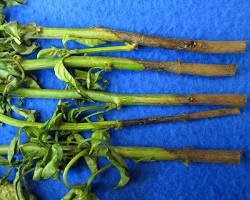
    • Brown/black water-soaked lesions on the lower stem near soil line.
    • Yellowing leaves, defoliation, and sudden plant collapse.
    • Fruit with sunken brown lesions or water-soaked spots — unsellable.
    • Root rot: dark, mushy roots with a poor root system.

    ⚔️ Nano-Copper & Nano-Silver — how they help in chilli fields (Colicab-Cu , Silller-100)

    Nanoparticles are not miracle bullets, but they’re powerful tools in the toolbox:

    Nano-Copper (CuNPs)

    • Attacks oomycete cell walls/membranes and prevents sporangia formation — that means fewer infectious units to spread in the field.
    • Helpful as a preventive soil drench or foliar/soil combo when risk is high (wet season, heavy rains).

    Nano-Silver (AgNPs)

    • Disrupts ATP production and enzyme activity inside the pathogen—causes cellular failure.
    • Good as a complementary spray — adds an antimicrobial mode of action different from copper.

    Why it matters for chillies: fruit and crown infections are economically critical. Reducing sporangia production and killing motile zoospores lowers disease pressure on both roots and fruit surfaces.

    🧩 Integrated Plan for Green Chilli (what to actually do)

    Use nanoparticles as part of a full Integrated Disease Management (IDM) approach — here’s a practical action plan:

    1. Pre-season:
      1. Map low spots and improve drainage (trenches, raised beds, ridges).
      1. Use well-drained seedbeds and harden transplants before fielding.
    2. Planting & cultural practices:
      1. Raised beds or plastic mulch reduce soil splash onto stems and fruit.
      1. Avoid overhead irrigation in rainy seasons; use drip where possible.
      1. Wider plant spacing improves airflow and speeds drying.
    3. Monitoring:
      1. Scout after heavy rains. Look for wilting and stem lesions at soil line.
      1. Use a simple field risk check: recent rainfall + warm temps + waterlogging = high risk.
    4. When to use nano-products (preventive mindset):
      1. Apply preventively in high-risk periods (wet, warm). Once entire canopy/crown is infected, control is much harder.
      1. Use nano-copper as a soil drench in patches known for waterlogging, and as a light foliar spray to reduce inoculum on lower stems.
      1. Consider alternating/combining with nano-silver to diversify modes of action.
    5. Post-infection steps:
      1. Remove and destroy severely infected plants to reduce local inoculum.
      1. Sanitize tools and avoid moving muddy soil between fields.
  • The Silent Killer: Saving Your Green Chili Seedlings from Damping-Off

    The Silent Killer: Saving Your Green Chili Seedlings from Damping-Off

    Ever started your green chili seeds with high hopes, only to find your little sprouts mysteriously wilting and toppling over? You’re not alone. This heartbreaking phenomenon is known as “damping-off,” a devastating disease that can wipe out an entire tray of seedlings overnight.

    But don’t toss your gloves in frustration just yet! In this blog post, we’ll uncover the secrets of this sneaky fungal disease and explore a cutting-edge solution that could be the key to a thriving garden.


    What is Damping-Off and Why Does It Happen?

    Damping-off is caused by common soil-borne fungi and fungus-like organisms, with Pythium being the most frequent culprit. It can strike in two ways:

    • Pre-emergence: The fungus attacks the seed before it even sprouts, so you never see the seedling appear.
    • Post-emergence: The seedling sprouts, looks healthy for a day or two, and then the stem at the soil line becomes weak, soft, and collapses.


    The Perfect Conditions for a Fungal Attack

    These sneaky fungi love a specific environment. If you’re experiencing damping-off, check if these conditions apply to your setup:

    • Excessive Watering: Is your soil constantly soggy? Over-watering is the number one cause of damping-off. The surplus moisture is a perfect breeding ground for pathogens to multiply.
    • Cool Soil Temperatures: These fungi thrive in cool, moist soil. If your seed tray is in a cold spot, the seeds will germinate slowly, giving the pathogens more time to infect them.
    • Poor Drainage: Does water sit at the bottom of your pots? Waterlogged soil and high humidity around your seedlings are like a five-star hotel for these fungi.

    DIY Check: Go check your seedlings. Is the soil cool and soggy to the touch? Let us know in the comments!


    Your Prevention Toolkit: Simple Steps for Success

    Before reaching for a solution, try these simple, low-cost preventative measures to protect your seedlings:

    • Sterilize Your Equipment: Use a diluted bleach solution (one part bleach to nine parts water) to clean all your pots, trays, and tools before planting. This helps kill any lingering pathogens.
    • Use Sterile Seed Starting Mix: Don’t use garden soil. Instead, use a sterile, soilless seed starting mix. This minimizes the risk of introducing pathogens from the start.
    • Improve Air Circulation: Place a small fan near your seedlings to provide gentle airflow. This helps keep the soil surface dry and discourages fungal growth.
    • Bottom Watering: Instead of watering from the top, place your seed tray in a shallow container of water for a few minutes. The soil will absorb the water from the bottom, keeping the top layer dry.

    Share Your Tip: What’s your secret for preventing damping-off? Share your wisdom with other gardeners!


    A Tiny Hero: How Nano Silver (Siller-100) is Fighting Back

    What if there was a way to protect your seedlings with a powerful, yet gentle, solution? That’s where Nano silver (Siller-100) comes in. We are using technology to create a new line of defense against damping-off.

    Here’s how it works:

    • The Cell Wall Breaker: Nano silver particles are so small they can physically damage the cell walls and membranes of the harmful fungi and bacteria. This causes the contents of the fungal cells to leak out, essentially killing them on contact.
    • The Free Radical Attacker: They also generate “free radicals” which are like tiny, destructive bombs that cause widespread damage to the pathogen’s internal systems. This disrupts the fungus’s ability to grow and reproduce.
    • A Sustainable Solution: A key benefit? Nano silver works at much lower concentrations than traditional chemical fungicides, which means it can be a more environmentally friendly option for your garden.

    Share Your Thoughts: Does using nanotechnology in gardening surprise you? What do you think about this modern approach?


    Final Thoughts: Your Next Step to a Bountiful Harvest

    Damping-off can be a gardener’s worst nightmare, but by understanding the conditions that favor it and exploring innovative solutions like Nano silver (Siller-100), you can protect your valuable green chili seedlings.