Our Blogs

Tag: greenchilli diseases

  • From Powder to Power: Your Guide to Beating Powdery Mildew 🌶

    From Powder to Power: Your Guide to Beating Powdery Mildew 🌶

    Ever noticed your green chili plants looking like they’ve been dusted with flour? That’s not a kitchen mishap—it’s powdery mildew, a common and stubborn fungal disease. But don’t worry, you don’t have to surrender your crop! In this guide, we’ll help you understand what this pesky fungus is, how it spreads, and what you can do about it, from simple fixes to cutting-edge tech.


    What’s Happening to My Plant? The Powdery Mildew Breakdown

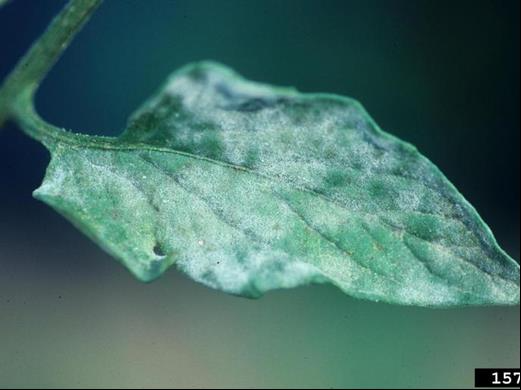
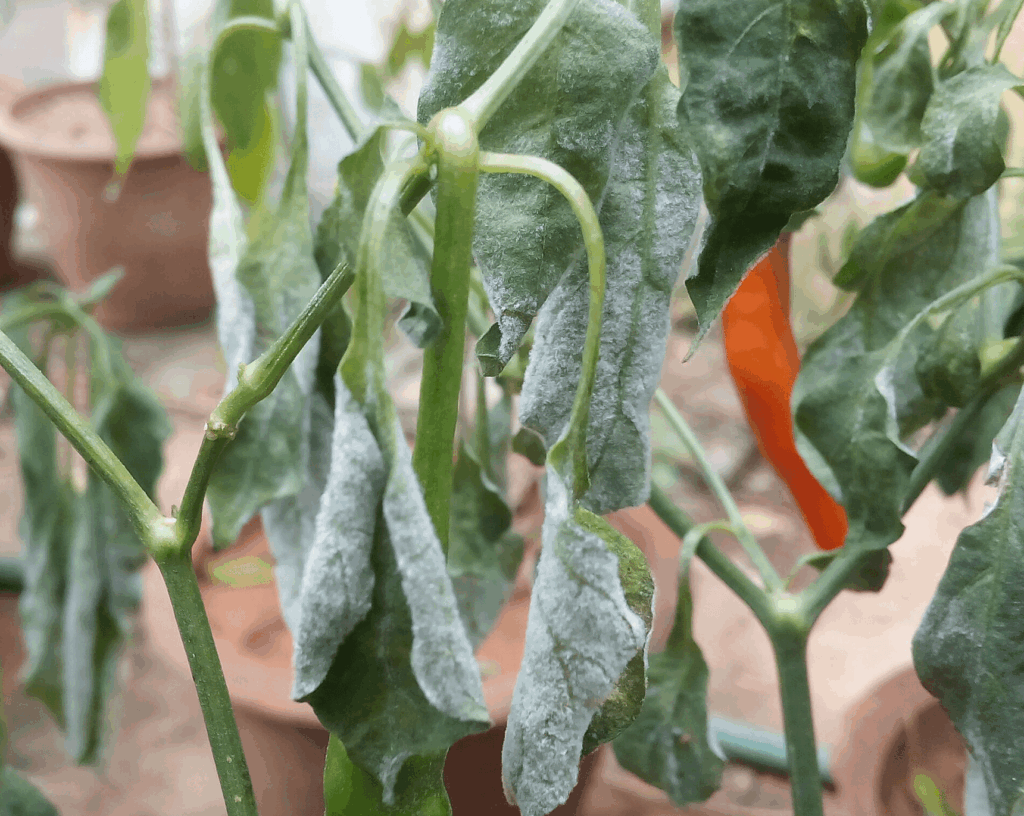
    Powdery mildew on green chili plants is caused by a fungus called Leveillula taurica. It shows up as white, powdery spots on leaves, stems, and sometimes even the chilies themselves. If you ignore it, the leaves can shrivel and fall off, leaving your precious peppers exposed to the sun and ruining your harvest.


    The Perfect Storm: Why Powdery Mildew Loves Your Garden

    This fungus is a master of survival. While many fungi need a lot of water to thrive, powdery mildew prefers warm, dry conditions with high humidity. It’s a bit of a paradox! It loves temperatures between 60°F and 77°F (15°C to 25°C) but gets a little shy when temperatures soar above 95°F (35°C).

    Interactive Poll: Do you live in a climate with hot, dry days and humid nights? (Yes/No)
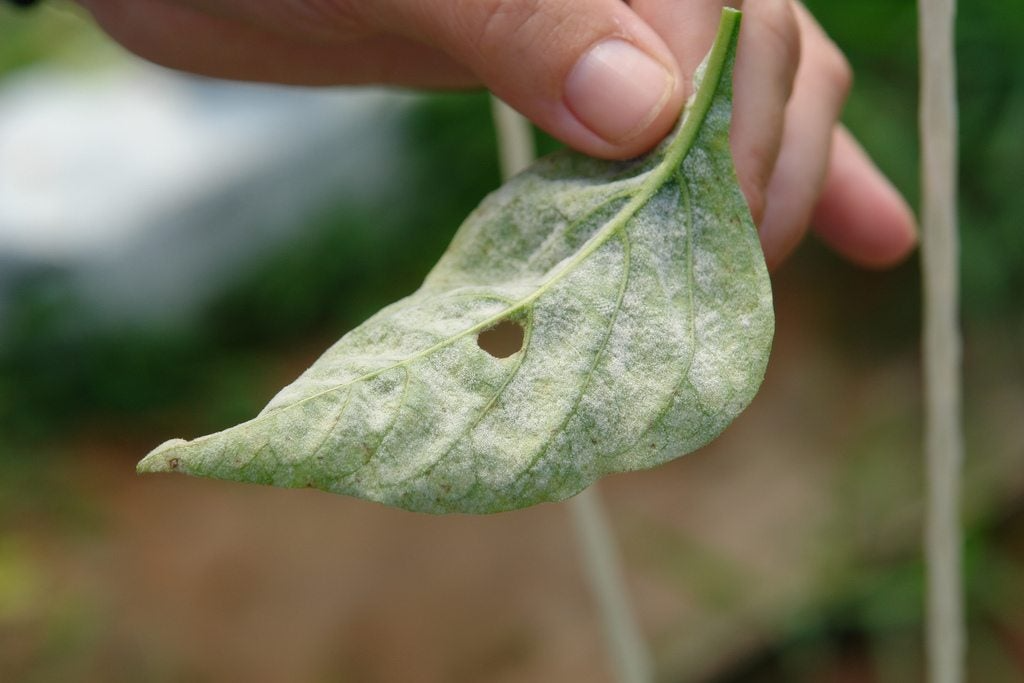
     powdery mildew on the Green Chilli plant

    Your Game Plan: Simple Steps to Keep Your Plants Healthy

    Prevention is always easier than a cure. Here are some simple, low-tech ways to fight back:

    • Give Them Space: Proper air circulation is key. Make sure your plants aren’t too crowded.
    • Trim It Up: Prune away any thick, bushy sections to help air flow through the plant.
    • Watch How You Water: Water at the base of the plant, not on the leaves, and avoid watering late in the day.
    • Choose Wisely: Next time you plant, look for chili varieties that are resistant to powdery mildew.
    • Try DIY Remedies: Solutions like baking soda or diluted milk sprays can be effective if you catch the problem early.

    Share Your Tip: What’s your go-to home remedy for powdery mildew? Let us know in the comments!


    The Future is Here: Nanotechnology to the Rescue

    For a more advanced approach, we are now using silver nanoparticles (Pensil) to fight powdery mildew. This is a game-changer for high-value crops like green chilies.

    • Nano Silver: Think of these as tiny silver bullets for the fungus. They release silver ions that disrupt the fungus’s metabolism and literally suffocate its cells. They can even damage the fungus’s DNA, preventing it from reproducing.

    Using the silver nanoparticles (Pensil) is a more sustainable option, as it is effective in much smaller amounts than traditional fungicides. It’s a glimpse into the future of farming!


    Final Thought: Whether you use a simple spray or a high-tech solution, staying ahead of powdery mildew is crucial for a healthy and abundant green chili harvest. What step will you take first to protect your plants?

  • The Chili Grower’s Guide: Battling Anthracnose with Modern Solutions 🌶

    The Chili Grower’s Guide: Battling Anthracnose with Modern Solutions 🌶

    Hello fellow growers! Have you ever noticed dark, sunken spots ruining your beautiful green chilies? If so, you’re likely dealing with Anthracnose, a common but destructive fungal disease. But don’t worry—we’ve got the know-how to help you fight back, including some amazing new tech!

    What is Anthracnose?

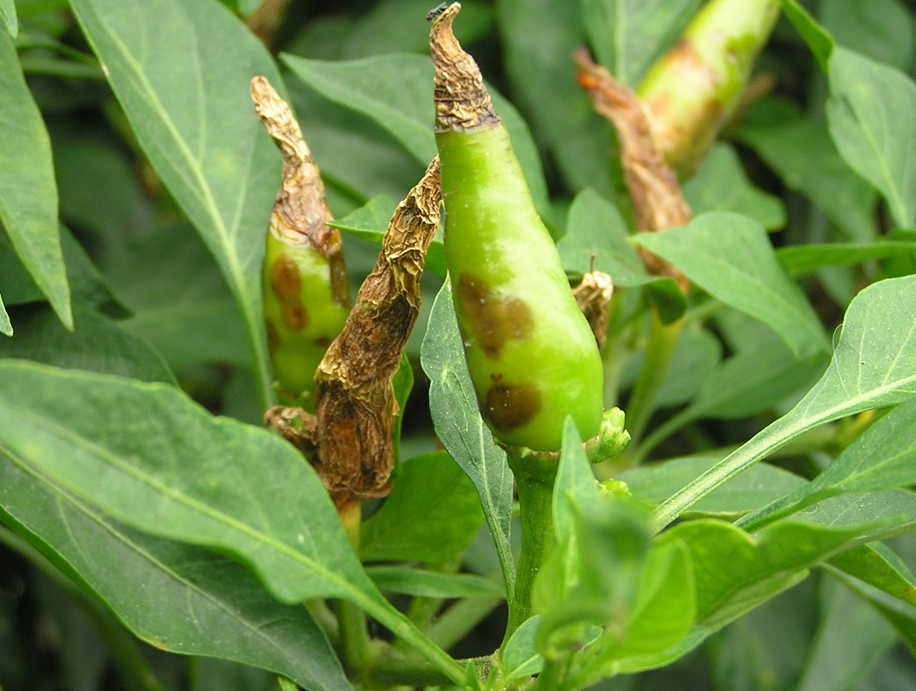
    Think of anthracnose as a fungal infection for your chili plants. It’s caused by a group of fungi, mainly from the Colletotrichum family. This sneaky fungus loves to attack the fruit, leaving behind those tell-tale, dark, crater-like spots. Sometimes, you’ll even see orange or pink slimy rings on the spots—those are the fungal spores, ready to spread and infect more of your harvest!

    Why Does My Farm Get It? The Perfect Storm

    Anthracnose thrives in a specific environment. If you live in an area that’s warm, humid, and rainy, your farm is the perfect breeding ground.

    • Warmth: Temperatures around 27°C (80°F) are ideal for the fungus to multiply, though it can survive in a wider range.
    • Moisture: This is the key. The fungus needs water to grow and spread. Heavy rains or overhead irrigation that keeps leaves and fruit wet for long periods are its best friend.
    • The Spread: Those tiny spores can travel far! They hitch a ride on splashing water from rain or irrigation, and can even be hidden in contaminated seeds.

    Traditional Ways to Win the Fight

    Before we get to the high-tech stuff, a strong defense starts with good habits.

    • Practice Good Hygiene: Always start with disease-free seeds. Remove any infected leaves, branches, or fallen fruit from your field and destroy them. This removes the source of the infection.
    • Smart Watering: Avoid using overhead sprinklers that drench the plants. Use drip irrigation instead to deliver water directly to the roots, keeping the leaves and fruit dry.
    • Crop Rotation: Don’t grow chili peppers in the same spot year after year. Rotating your crops helps break the fungus’s life cycle.

    The Future is Here: Nano-Silver and Nano-Copper (Colicab-Cu)!

    If traditional methods aren’t enough, new nano-tech offers a powerful solution(Colicab-Cu). These microscopic particles are a game-changer!

    • Nano-Silver (AgNPs): Imagine tiny silver bullets targeting the fungus. These nanoparticles punch holes in the fungal cell walls, making them leak and die. They also block the fungus from producing energy, effectively starving it to death.
    • Nano-Copper (CuNPs): Copper nanoparticles are like microscopic warriors that create a toxic environment for the fungus. When they enter the cell, they produce Reactive Oxygen Species (ROS), which are highly destructive molecules. This process, known as oxidative stress, completely destroys the fungal cell from the inside out.

    The best part? Because they are so small and effective, you can use a much lower dosage compared to traditional fungicides, making it a more efficient and potentially safer option.

    Have you ever faced anthracnose on your farm? What methods have worked best for you? Share your experience in the comments below!