Our Blogs

Tag: nanotechnology

  • 🦠 Fighting the Invisible Foe: Bacterial Wilt 🌿

    🦠 Fighting the Invisible Foe: Bacterial Wilt 🌿

    Bacterial wilt is a plant disease that’s a major headache for farmers and gardeners, especially in warm, humid climates. This nasty little bacterium, Ralstonia solanacearum, loves to lurk in the soil, waiting for the perfect conditions to strike. Let’s dig into what makes this disease so destructive and how we can combat it.


    🌡️ What Makes Bacterial Wilt Thrive?

    This bacterium is a heat-seeker! It flourishes in temperatures between 86°F and 95°F (30°C and 35°C). It also needs lots of moisture to survive and spread. Think of it as a water-loving menace. The bacteria can travel through contaminated water and even on farm equipment. 🚜

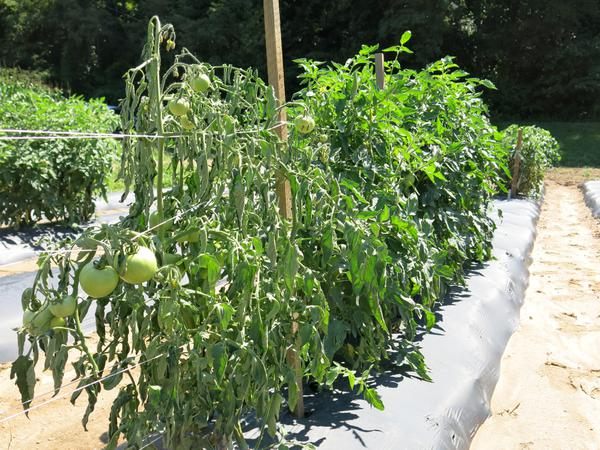
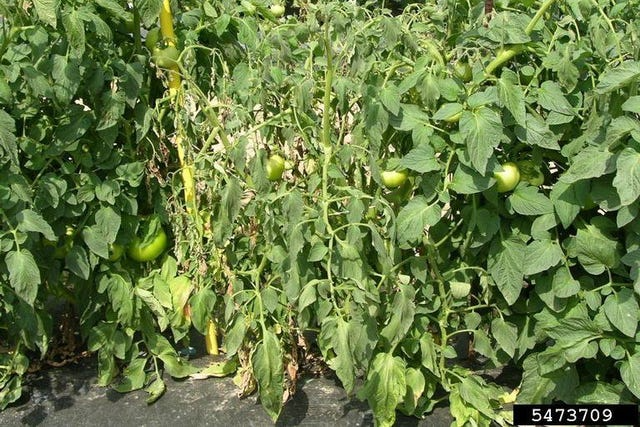
    The real danger comes from root wounds. When a plant’s roots are damaged by insects, transplanting, or cultivation, it’s like opening a welcome mat for the bacteria to sneak inside. Once inside, they multiply rapidly, clogging the plant’s vascular system, which leads to wilting and, eventually, death. 🥀
    🛡️ The Ultimate Defenders: Copper and Nano-silver(Colicab-Cu)

    While bacterial wilt is tough, we have some powerful allies in the fight against it: copper and nano-silver. These substances act as antimicrobial agents, interfering with the bacteria’s ability to function.

    • Copper: Copper has been a trusted fungicide and bactericide for ages. It works by damaging the bacteria’s cell membranes, causing their insides to leak out and the cell to die. Applying copper-based products to the soil can help delay the onset of the disease, giving your plants a fighting chance! 💪
    • Nano-silver: These tiny silver particles are super effective because of their small size and massive surface area. They’re able to slip right into bacterial cells, disrupting essential processes like respiration, metabolism, and DNA replication. This makes them incredibly potent, and research has shown they can significantly reduce the incidence of bacterial wilt. ✨

    So, while bacterial wilt is a persistent problem, understanding its triggers and utilizing these powerful tools can help protect our crops and gardens from its destructive effects.
  • Battling Late Blight: How to Protect Your Plants 🌿

    Battling Late Blight: How to Protect Your Plants 🌿

    Late blight is a destructive plant disease that can wreak havoc on crops like potatoes and tomatoes. Caused by the water mold Phytophthora infestans, this pathogen thrives in specific environmental conditions.

    The Perfect Storm for Late Blight ⛈️

    Phytophthora infestans loves cool, wet weather. The ideal conditions for an outbreak are temperatures between 60°F and 70°F (15°C to 21°C) combined with high humidity. Think of those long, rainy spells or extended periods of leaf wetness—that’s when the pathogen is most active. Rain also plays a key role in spreading the disease, as it can carry the pathogen’s spores over long distances.

    The disease can even survive the winter, hiding out in infected potato tubers left in the ground or in cull piles. It can also be harbored by volunteer tomato and potato plants that pop up on their own.

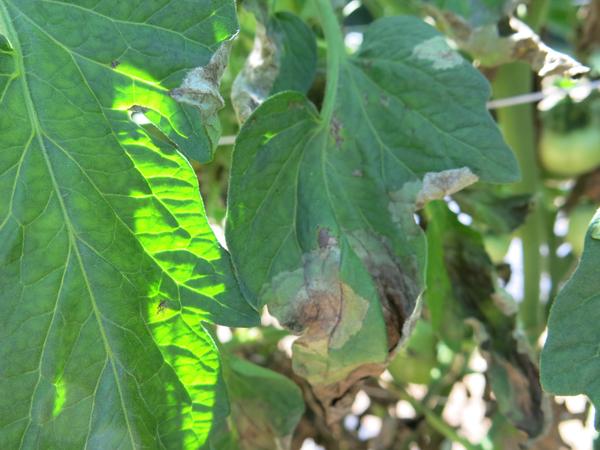
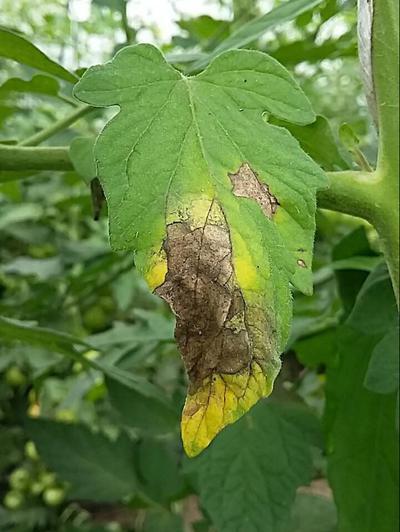
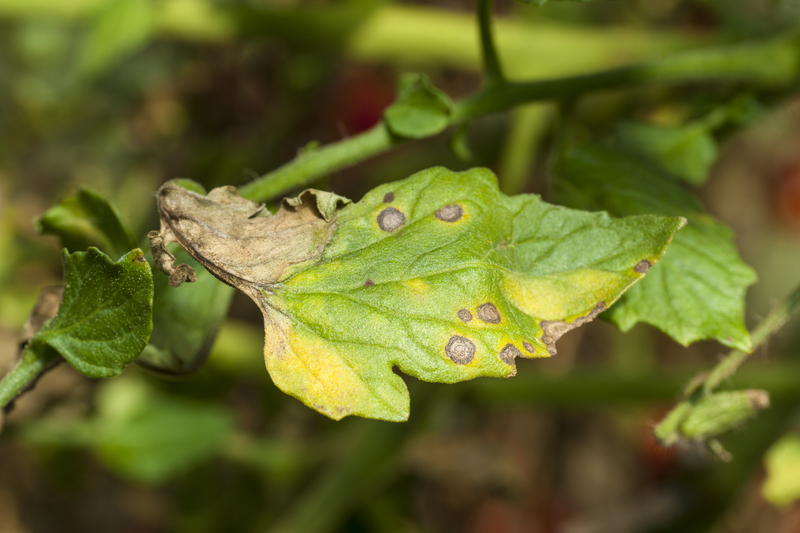
    Tomato Plants Infected by the Late Blight Plant Pathogen Phytophthora Infestans. Macro.

    Copper and Nano silver (Colicab-Cu): A Dynamic Duo for Control

    When it comes to fighting late blight, copper-based product have long been a reliable and effective defense. They work by preventing the pathogen from growing and spreading.

    But there’s a new player on the scene: nano silver. Silver nano-particles have shown powerful anti-fungal properties against a variety of plant pathogens. They function by breaking down the microbes’ cell walls and disrupting their normal processes, essentially stopping the disease in its tracks.

    Interestingly, studies suggest that copper and silver nano particles are a highly effective team. Their tiny size allows them to penetrate microbial cells more easily than traditional treatments, which could make them even more potent. Plus, because they’re effective at lower doses, these nano particles are seen as a potential, more environmentally friendly alternative to conventional fungicides.