Our Blogs

Tag: Onion

  • Protecting Your Onions: A Guide to Managing Fusarium Basal Rot 🧅

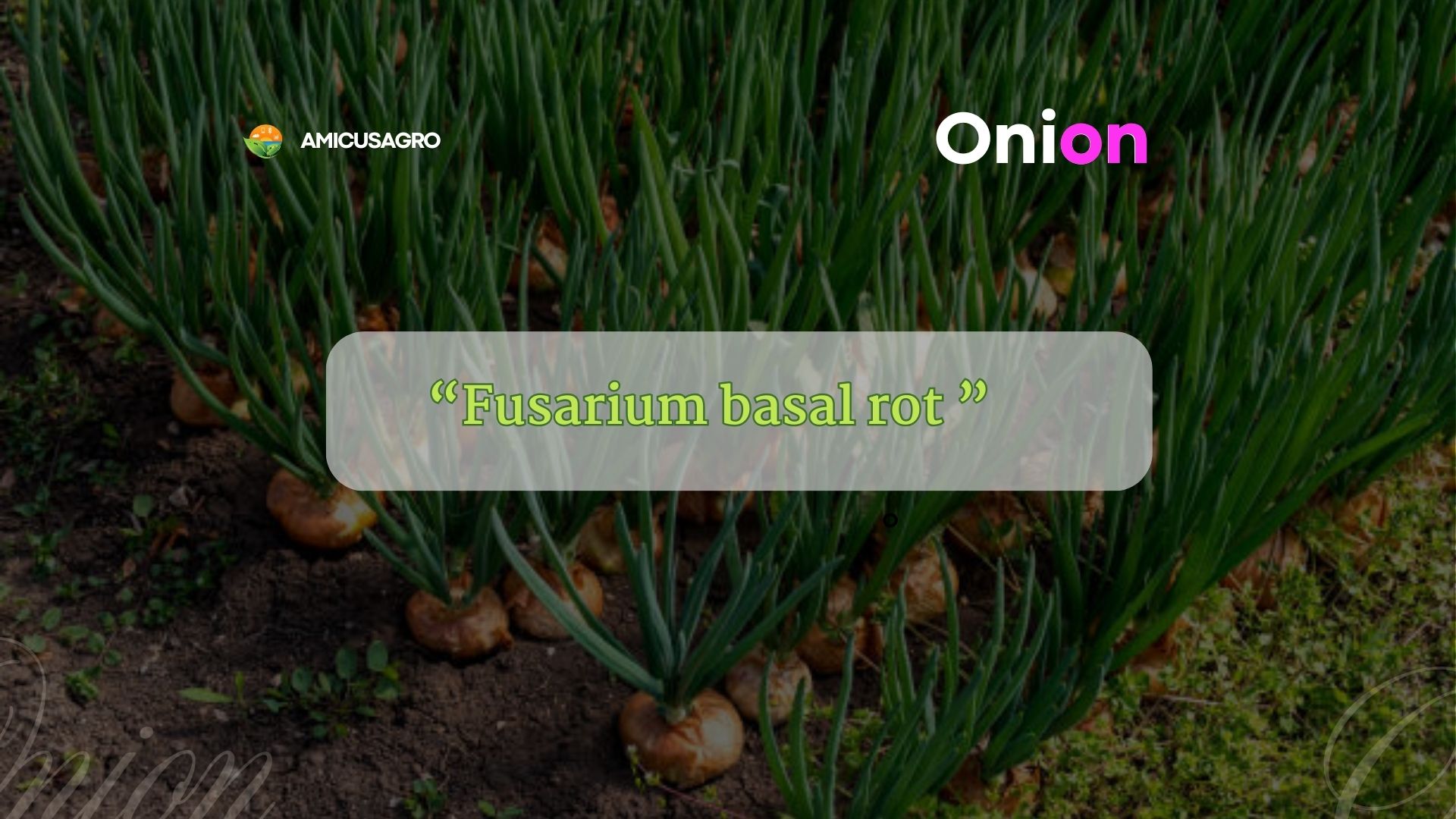
    Protecting Your Onions: A Guide to Managing Fusarium Basal Rot 🧅

    Causes of Fusarium Basal Rot

    This disease is caused by the fungus Fusarium oxysporum f. sp. cepae. 🧅

    The fungus primarily enters the plant through a few key pathways:

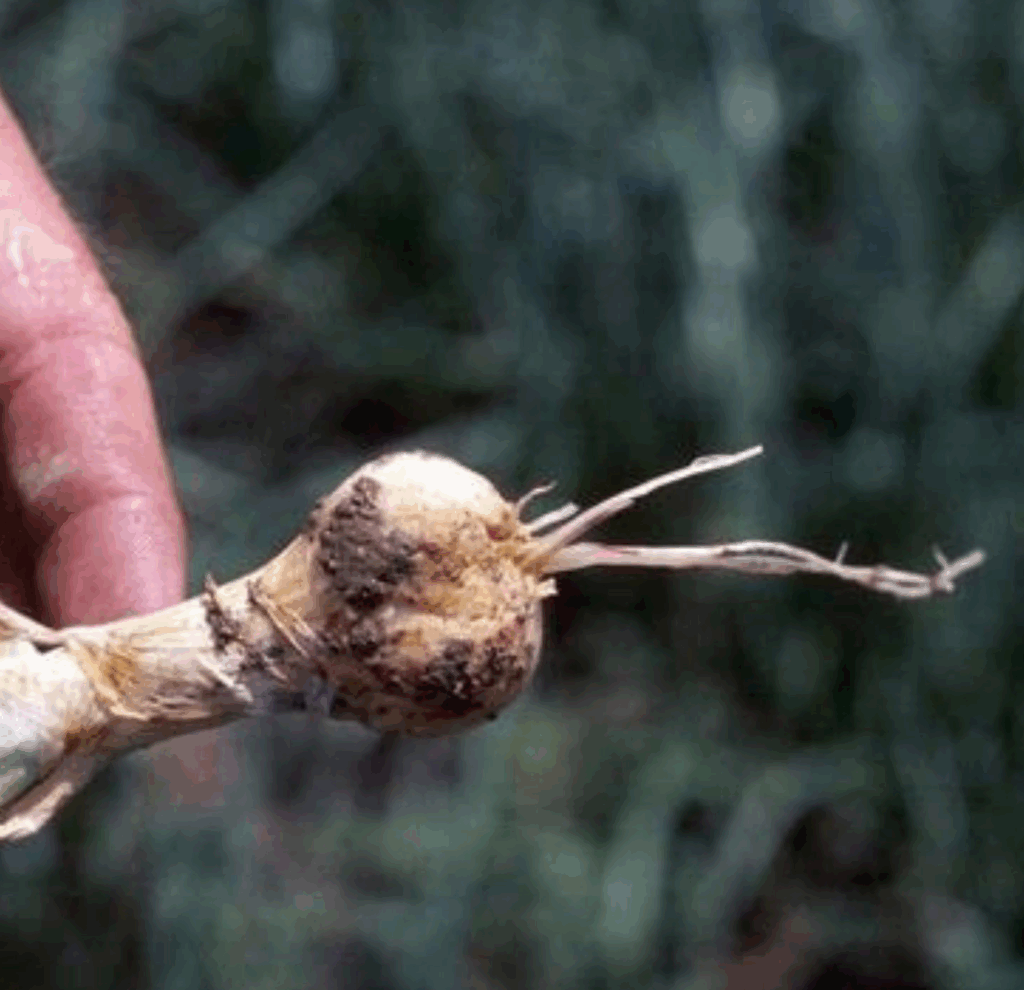
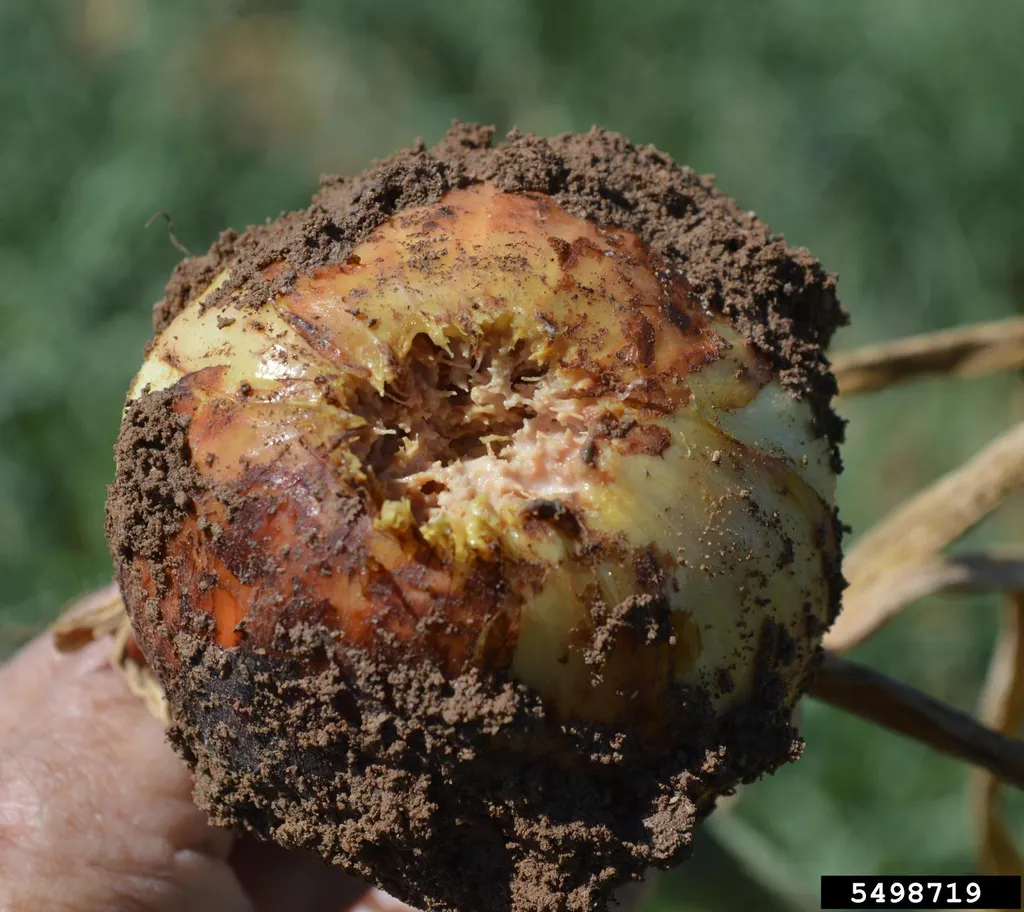
    • Through the Basal Plate: The fungus directly infects the “basal plate,” which is the hard, plate-like area at the bottom of the onion bulb where the roots emerge.
    • Wounds as an Entry Point: Any damage or wound to the basal plate significantly increases the risk of infection. The fungus can also spread through the soil, infecting the roots and basal plates of neighboring plants.

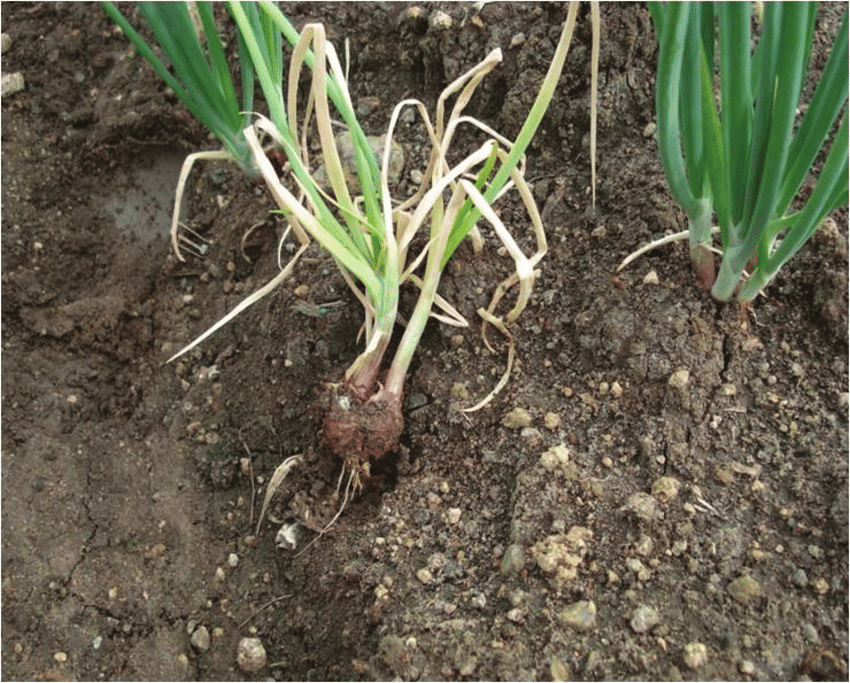
    Once inside, the fungus rots the basal plate, severing the connection between the roots and the bulb. This cuts off the plant’s supply of water and nutrients, causing the leaves to turn yellow and die back, which stunts the plant’s growth.


    Ideal Environment for Fusarium Basal Rot

    This disease is primarily triggered by warm soil temperatures.

    • Temperature: The ideal temperature range for disease development is 25°C to 29°C. The disease is rarely a concern in cooler soil temperatures below 15°C.
    • Continuous Cropping: Similar to other soil-borne diseases, planting onions in the same field year after year can lead to dangerously high populations of the Fusarium fungus.
    Integrated Management: The Best Control

    • Crop Rotation: The most effective way to reduce the Fusarium population in the soil is to rotate with non-host crops (like corn, lettuce, or cereals) for at least four years.
    • Planting Time: In regions with hot summers, plant earlier in the season so the crop can mature before soil temperatures get too high, minimizing disease pressure.
    • Enhance Soil Health: Healthy, well-draining soil fosters robust root systems that are more resistant to infection.
    • Fungicides: To protect the roots and basal plate, fungicides specifically for Fusarium should be applied to the soil via spraying or drenching.

    The Role of Nano Silver (Siller-100)

    • Nano Silver: Nano silver is an effective disinfectant for soil. Its microscopic particles can actively destroy the Fusarium fungus when applied as a drench. Its ability to disrupt the fungus’s cell walls and metabolism provides strong protection for the roots, especially when seedlings are still vulnerable.
  • Understanding and Preventing Damping-Off in Onion Cultivation 🧅

    Understanding and Preventing Damping-Off in Onion Cultivation 🧅

    Why Damping-off Occurs 🦠

    Damping-off is a serious disease in onions caused by a complex of various soil-borne fungi, most frequently Pythium, Rhizoctonia, and Fusarium. The disease attacks in two primary ways:

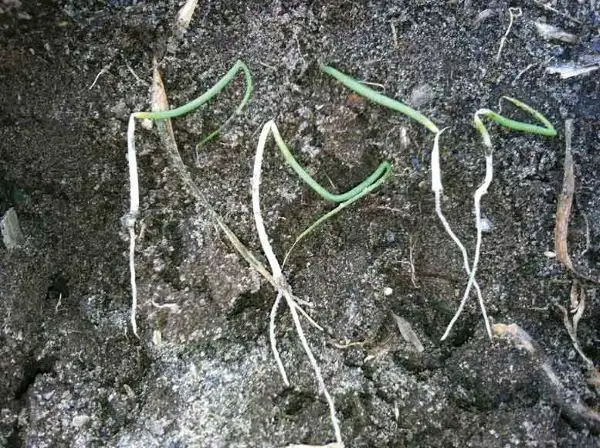
    1. Pre-emergence Damping-off: The fungus attacks and rots the seed before it can sprout and break through the soil. From a farmer’s perspective, this looks like empty patches in the seedling tray or extremely poor germination. 😔
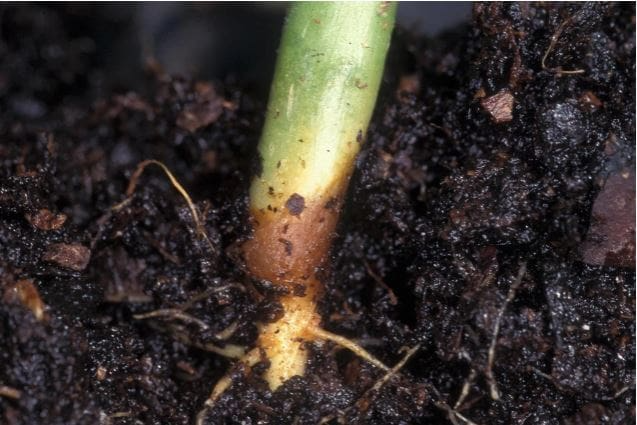
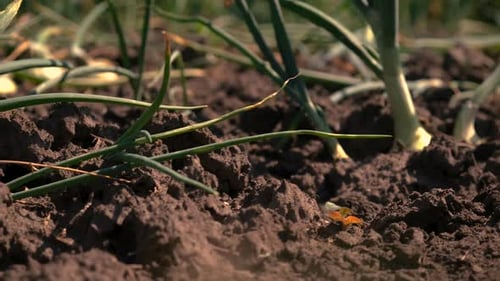
    2. Post-emergence Damping-off: This is the classic symptom. After successfully sprouting, the seedling abruptly develops a thin, constricted, or water-soaked lesion at the soil line. The stem becomes weak, can no longer support the seedling, and it topples over and dies, even though the upper leaves might still look green.

    The Ideal Conditions for Damping-off 🌧️

    The primary factors influencing damping-off are the nursery’s soil and surroundings.

    • Overwatering and high soil moisture are the most common causes.
    • Poor Drainage: Waterlogging results from using heavy, compacted soil or seedling trays that lack sufficient drainage holes. 💧
    • Cloudy, damp, and cool weather: Slowed growth caused by low light and cool temperatures means seedlings remain in their vulnerable stage longer, giving the fungus more time to attack. ☁️
    • High Seed Density: Excessive seeding results in spindly, feeble seedlings and poor air circulation, which retains moisture at the soil’s surface.

    How to Control It 🛡️

    The best way to control damping-off is to prevent it. This involves controlling the nursery environment and safeguarding the seed and seedling.

    • Use Sterile Media: Start your seedlings with a sterile, well-draining, soilless potting mix. Make sure the nursery has adequate ventilation or use a fan to keep the soil surface dry. 🌬️
    • Plant Sparingly: Avoid planting your seeds too densely. 🌱

    Role of Nano Silver (Siller-100) 🧪

    Nano silver (Siller-100) can effectively disinfect the soil. Its microscopic particles actively kill Pythium, Rhizoctonia, and other damping-off pathogens when applied as a drench within the soil. Its dual mechanism of causing cell wall damage and metabolism disruption results in a potent sterilizing effect in the root zone. This makes it effective for both prevention and halting the spread of an outbreak to other seedlings in a tray. ✨

    Did you find this information helpful? Like and share this post with other farmers, and leave a comment below with your own tips for preventing damping-off in onions!

  • The Unseen Threat: Battling White Rot in Onion Crops 🧅

    The Unseen Threat: Battling White Rot in Onion Crops 🧅

    Hello Plant Parents ,🌱

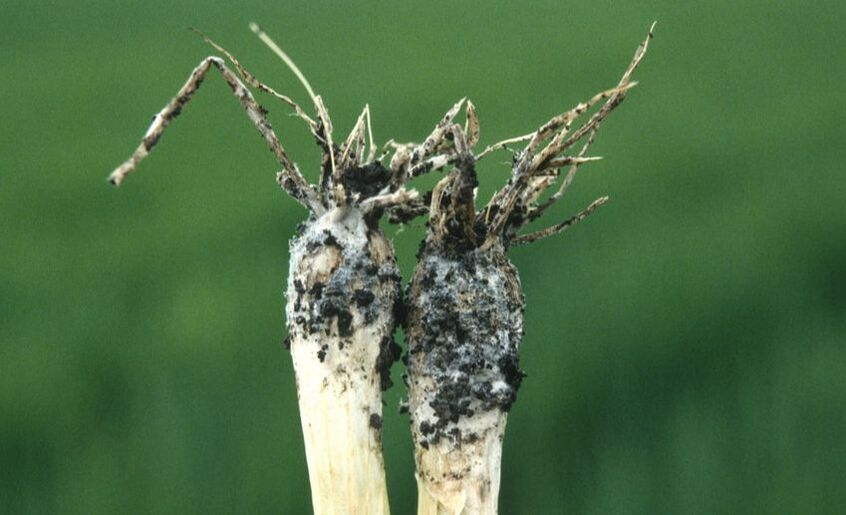
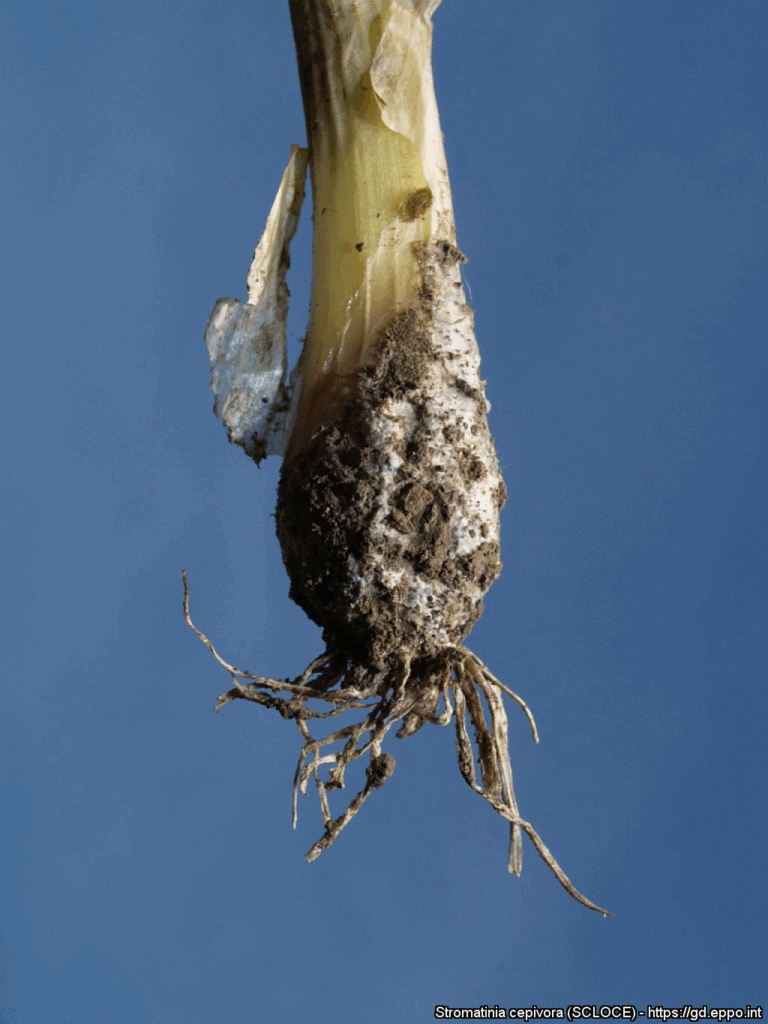
    For onion growers, a major threat is White Rot, caused by the fungus Sclerotium cepivorum. Once it establishes in the soil, it can survive for many years and spread rapidly under favorable conditions. White rot affects the roots, covering them with white threads (mycelium), causing the plants to wilt, die back, and halt growth.

    Favorable Environment for White Rot❄💧

    White rot thrives in cool and moist conditions. Soil that is damp with a pH of 6–7 is ideal for its growth. The fungus is most active at temperatures between 15–25°C, though it can survive and spread between 0°C and 30°C. Areas with living onion roots accelerate the spread, making certain fields more vulnerable.

    Nano Silver: Modern Solution (Siller-100)🥈

    A modern preventive measure that is gaining popularity among farmers is Nano Silver (100 ppm). Nano Silver consists of extremely small silver ions (Ag⁺) that are highly effective against fungal growth.

    How Nano Silver Works:

    • Its nanoparticle size allows it to penetrate fungal cells easily.
    • It disrupts proteins and enzymes required for fungal growth.
    • It can damage the fungal DNA, stopping reproduction.

    By applying 100 ppm Nano Silver, the spread of the fungus is reduced, the roots remain healthy, and the plants grow normally.

    Conclusion

    White rot in onions is a hidden threat in the soil, but with proper field management, hygiene, and modern solutions like Nano Silver( Siller-100) , it is possible to control the disease and maintain healthy, productive onion crops.


  • 🧅 Fighting Purple Blotch in Your Onion Patch 🧅

    🧅 Fighting Purple Blotch in Your Onion Patch 🧅


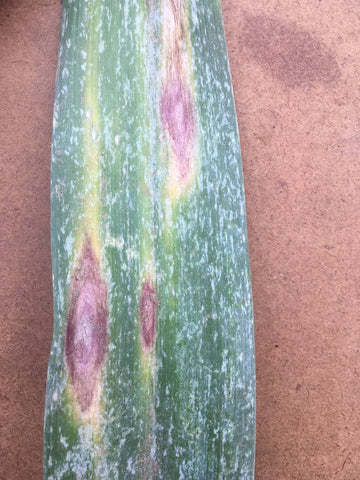
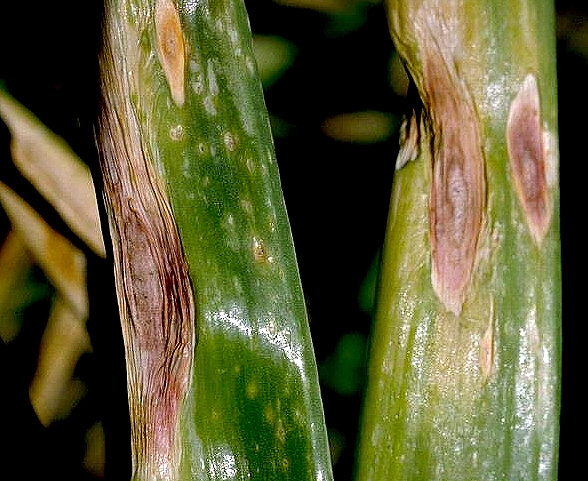
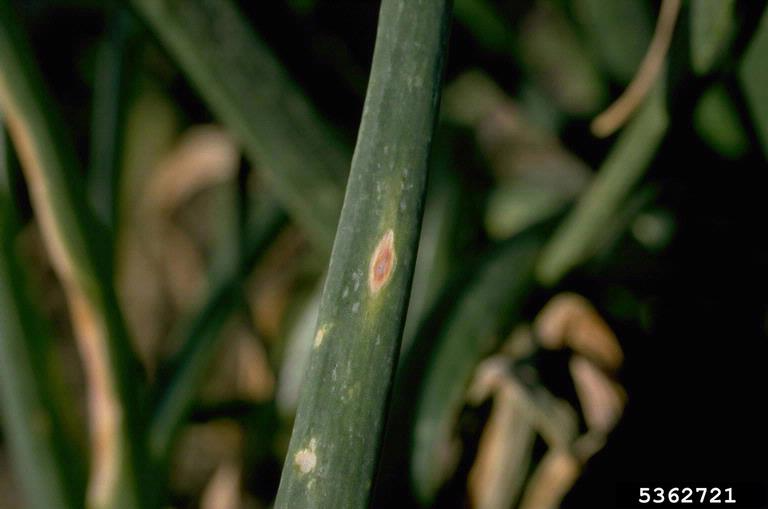
    Is your onion crop looking a little sad with purplish spots? 😟 You might be dealing with Purple Blotch, a common fungal disease that can wreak havoc on your harvest. Don’t worry, we’re here to break down why it happens and how you can fight back! 💪

    What’s Behind the Blotch?

    The culprit is a fungus called Alternaria porri. Think of it as a tiny, destructive seed waiting for the perfect conditions to sprout. Here’s how it gets started:

    • Past Problems: The fungus can survive the winter on leftover onion leaves and debris from the last season. It’s like a hidden enemy waiting for spring! 🍃
    • Wind and Rain: When the weather is right, the fungus releases microscopic spores that are easily carried by wind and splashes of water from rain or irrigation. 💨💧
    • Weak Spots: Spores love to infect healthy leaves, but they find it much easier to get in through wounds caused by pests (like thrips), hail, or any mechanical damage. It’s like an open door for the disease. 🚪
    purple blotch of onion
    purple blotch of onion
    purple blotch

    The Perfect Storm for Fungus ⛈️

    This fungus loves a specific environment to really take off:

    • High Humidity: It thrives in air with over 90% humidity.
    • Wet Leaves: Spores need a film of water on the leaves to germinate. This happens when your onion leaves stay wet for more than 12 hours from dew, light rain, or fog. 🌧️
    • Warmth: It’s happiest in temperatures between 21°C and 30°C (70°F and 86°F). 🌡️

    Your Secret Weapons: Nano Copper & Silver (Colicab – Cu) 🛡️

    So, how do you protect your crop? Nanoparticle solutions of copper and silver are fantastic tools for controlling this fungus. They work in a few clever ways:

    • Physical Attack: They physically damage the fungus’s cell wall and membrane, making it leak and fall apart. 💥
    • Stopping the Engine: Once inside, they shut down the fungus’s metabolism by deactivating vital enzymes, essentially suffocating it. 😮‍💨
    • Corrupting the Blueprint: They even mess with the fungus’s DNA, preventing it from reproducing. This multi-pronged attack makes it incredibly hard for the fungus to become resistant. 🧬
    • Protective Shield: Copper, in particular, acts as a powerful preventative shield, stopping the infection from ever starting. It’s like putting on armor before the battle begins! ⚔️

    By understanding how this disease works and using the right tools, you can protect your onion harvest and keep your crop healthy and strong! 🧅✨