Our Blogs

  • Phytophthora Blight & Root Rot in Green Chilli — What To Watch For & How Nano-Solutions Help

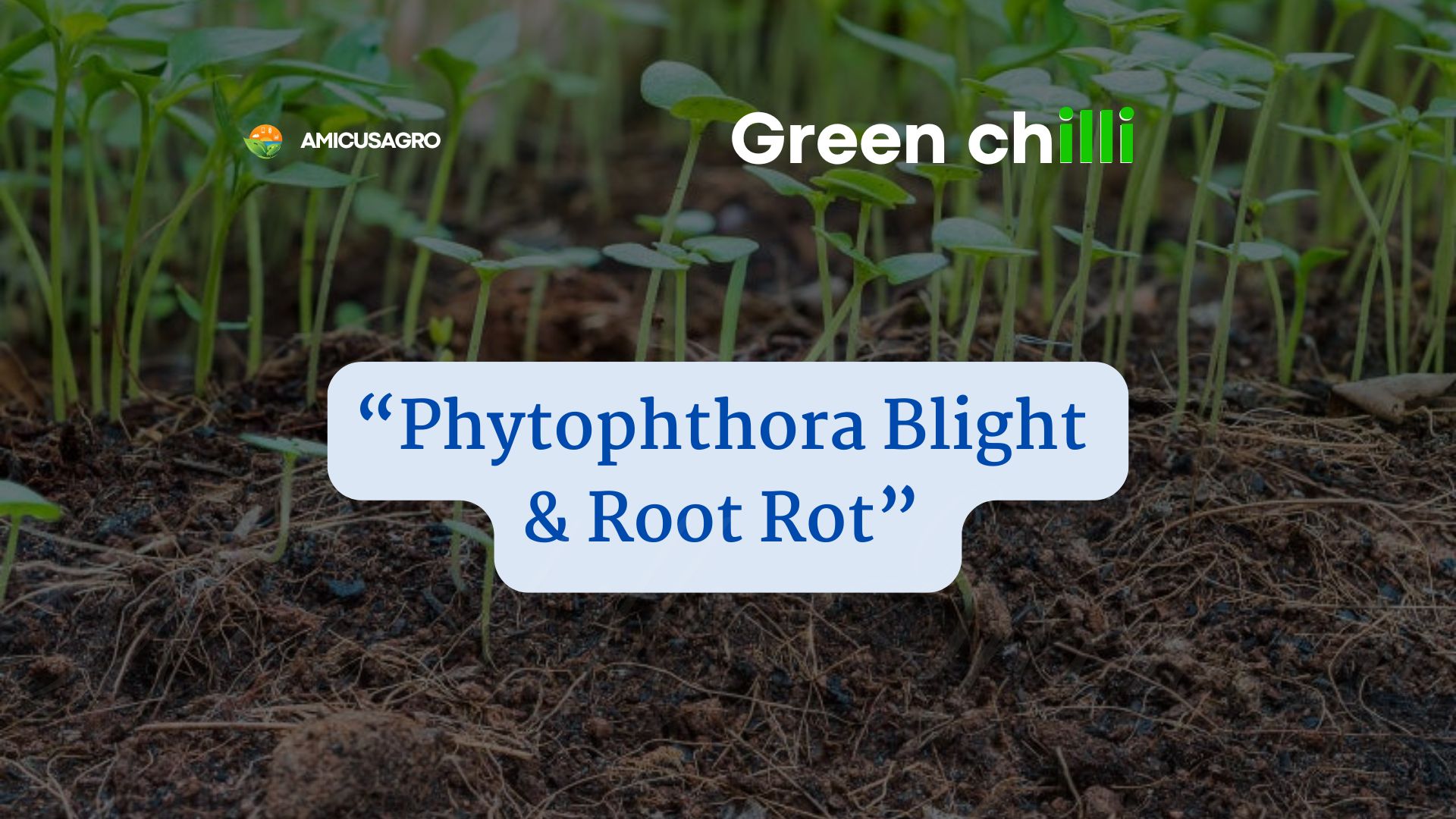
    Phytophthora Blight & Root Rot in Green Chilli — What To Watch For & How Nano-Solutions Help

    Why green chilli growers should care

    Phytophthora capsici is a nightmare for green chilli. It attacks roots, stems and fruits, and can cause sudden collapse of plants — especially in low-lying, waterlogged fields. Because green chillies are high-value and often sold fresh, a severe outbreak can wipe out both quantity and marketability.


    🌦️ Conditions that invite trouble (and where chillies get hit hardest)

    Phytophthora doesn’t care about your hard work — it cares about water and warmth:

    • Standing water & poor drainage — root rot starts under the soil. Seedlings and young transplants are extremely vulnerable.
    • High humidity & overhead irrigation — splash dispersal brings spores from soil to stems and fruits → blight that rots fruit and crowns.
    • Warm temperatures (≈ 25–30°C) — ideal for rapid disease development; if these line up with wet weather, you’re in the danger zone.

    Symptoms on green chilli

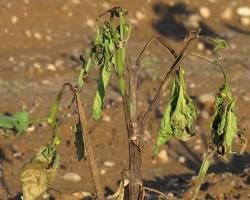
    • Wilting of individual plants or patchy wilting across the bed, often worse after rain.
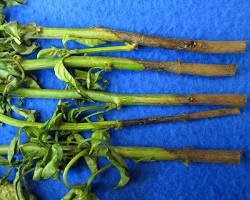
    • Brown/black water-soaked lesions on the lower stem near soil line.
    • Yellowing leaves, defoliation, and sudden plant collapse.
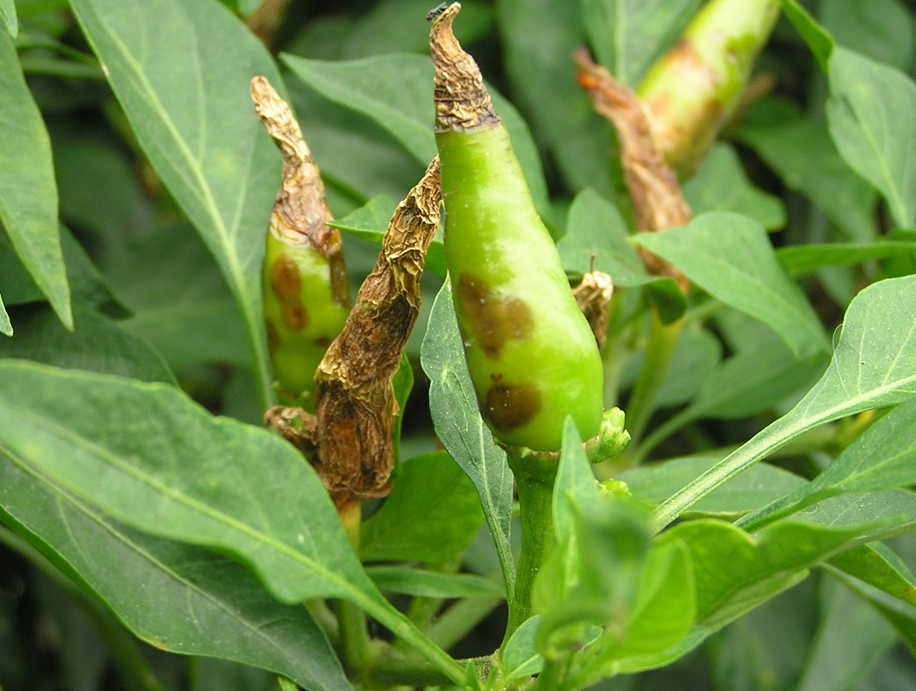
    • Fruit with sunken brown lesions or water-soaked spots — unsellable.
    • Root rot: dark, mushy roots with a poor root system.

    ⚔️ Nano-Copper & Nano-Silver — how they help in chilli fields (Colicab-Cu , Silller-100)

    Nanoparticles are not miracle bullets, but they’re powerful tools in the toolbox:

    Nano-Copper (CuNPs)

    • Attacks oomycete cell walls/membranes and prevents sporangia formation — that means fewer infectious units to spread in the field.
    • Helpful as a preventive soil drench or foliar/soil combo when risk is high (wet season, heavy rains).

    Nano-Silver (AgNPs)

    • Disrupts ATP production and enzyme activity inside the pathogen—causes cellular failure.
    • Good as a complementary spray — adds an antimicrobial mode of action different from copper.

    Why it matters for chillies: fruit and crown infections are economically critical. Reducing sporangia production and killing motile zoospores lowers disease pressure on both roots and fruit surfaces.


    🧩 Integrated Plan for Green Chilli (what to actually do)

    Use nanoparticles as part of a full Integrated Disease Management (IDM) approach — here’s a practical action plan:

    1. Pre-season:
      1. Map low spots and improve drainage (trenches, raised beds, ridges).
      1. Use well-drained seedbeds and harden transplants before fielding.
    2. Planting & cultural practices:
      1. Raised beds or plastic mulch reduce soil splash onto stems and fruit.
      1. Avoid overhead irrigation in rainy seasons; use drip where possible.
      1. Wider plant spacing improves airflow and speeds drying.
    3. Monitoring:
      1. Scout after heavy rains. Look for wilting and stem lesions at soil line.
      1. Use a simple field risk check: recent rainfall + warm temps + waterlogging = high risk.
    4. When to use nano-products (preventive mindset):
      1. Apply preventively in high-risk periods (wet, warm). Once entire canopy/crown is infected, control is much harder.
      1. Use nano-copper as a soil drench in patches known for waterlogging, and as a light foliar spray to reduce inoculum on lower stems.
      1. Consider alternating/combining with nano-silver to diversify modes of action.
    5. Post-infection steps:
      1. Remove and destroy severely infected plants to reduce local inoculum.
      1. Sanitize tools and avoid moving muddy soil between fields.
  • The Silent Killer: Saving Your Green Chili Seedlings from Damping-Off

    The Silent Killer: Saving Your Green Chili Seedlings from Damping-Off

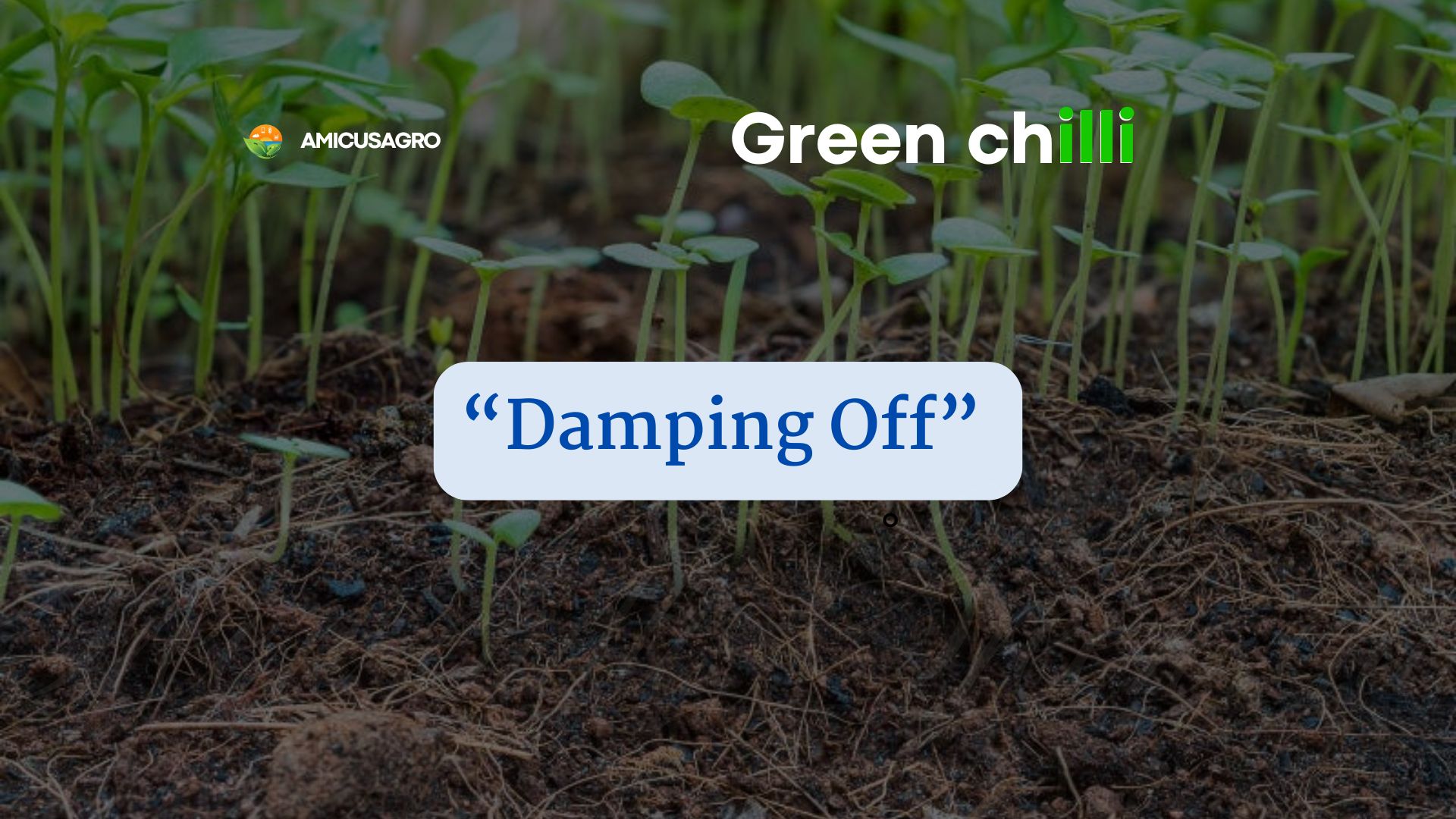
    Ever started your green chili seeds with high hopes, only to find your little sprouts mysteriously wilting and toppling over? You’re not alone. This heartbreaking phenomenon is known as “damping-off,” a devastating disease that can wipe out an entire tray of seedlings overnight.

    But don’t toss your gloves in frustration just yet! In this blog post, we’ll uncover the secrets of this sneaky fungal disease and explore a cutting-edge solution that could be the key to a thriving garden.


    What is Damping-Off and Why Does It Happen?

    Damping-off is caused by common soil-borne fungi and fungus-like organisms, with Pythium being the most frequent culprit. It can strike in two ways:

    • Pre-emergence: The fungus attacks the seed before it even sprouts, so you never see the seedling appear.
    • Post-emergence: The seedling sprouts, looks healthy for a day or two, and then the stem at the soil line becomes weak, soft, and collapses.


    The Perfect Conditions for a Fungal Attack

    These sneaky fungi love a specific environment. If you’re experiencing damping-off, check if these conditions apply to your setup:

    • Excessive Watering: Is your soil constantly soggy? Over-watering is the number one cause of damping-off. The surplus moisture is a perfect breeding ground for pathogens to multiply.
    • Cool Soil Temperatures: These fungi thrive in cool, moist soil. If your seed tray is in a cold spot, the seeds will germinate slowly, giving the pathogens more time to infect them.
    • Poor Drainage: Does water sit at the bottom of your pots? Waterlogged soil and high humidity around your seedlings are like a five-star hotel for these fungi.

    DIY Check: Go check your seedlings. Is the soil cool and soggy to the touch? Let us know in the comments!


    Your Prevention Toolkit: Simple Steps for Success

    Before reaching for a solution, try these simple, low-cost preventative measures to protect your seedlings:

    • Sterilize Your Equipment: Use a diluted bleach solution (one part bleach to nine parts water) to clean all your pots, trays, and tools before planting. This helps kill any lingering pathogens.
    • Use Sterile Seed Starting Mix: Don’t use garden soil. Instead, use a sterile, soilless seed starting mix. This minimizes the risk of introducing pathogens from the start.
    • Improve Air Circulation: Place a small fan near your seedlings to provide gentle airflow. This helps keep the soil surface dry and discourages fungal growth.
    • Bottom Watering: Instead of watering from the top, place your seed tray in a shallow container of water for a few minutes. The soil will absorb the water from the bottom, keeping the top layer dry.

    Share Your Tip: What’s your secret for preventing damping-off? Share your wisdom with other gardeners!


    A Tiny Hero: How Nano Silver (Siller-100) is Fighting Back

    What if there was a way to protect your seedlings with a powerful, yet gentle, solution? That’s where Nano silver (Siller-100) comes in. We are using technology to create a new line of defense against damping-off.

    Here’s how it works:

    • The Cell Wall Breaker: Nano silver particles are so small they can physically damage the cell walls and membranes of the harmful fungi and bacteria. This causes the contents of the fungal cells to leak out, essentially killing them on contact.
    • The Free Radical Attacker: They also generate “free radicals” which are like tiny, destructive bombs that cause widespread damage to the pathogen’s internal systems. This disrupts the fungus’s ability to grow and reproduce.
    • A Sustainable Solution: A key benefit? Nano silver works at much lower concentrations than traditional chemical fungicides, which means it can be a more environmentally friendly option for your garden.

    Share Your Thoughts: Does using nanotechnology in gardening surprise you? What do you think about this modern approach?


    Final Thoughts: Your Next Step to a Bountiful Harvest

    Damping-off can be a gardener’s worst nightmare, but by understanding the conditions that favor it and exploring innovative solutions like Nano silver (Siller-100), you can protect your valuable green chili seedlings.

  • From Powder to Power: Your Guide to Beating Powdery Mildew 🌶

    From Powder to Power: Your Guide to Beating Powdery Mildew 🌶

    Ever noticed your green chili plants looking like they’ve been dusted with flour? That’s not a kitchen mishap—it’s powdery mildew, a common and stubborn fungal disease. But don’t worry, you don’t have to surrender your crop! In this guide, we’ll help you understand what this pesky fungus is, how it spreads, and what you can do about it, from simple fixes to cutting-edge tech.


    What’s Happening to My Plant? The Powdery Mildew Breakdown

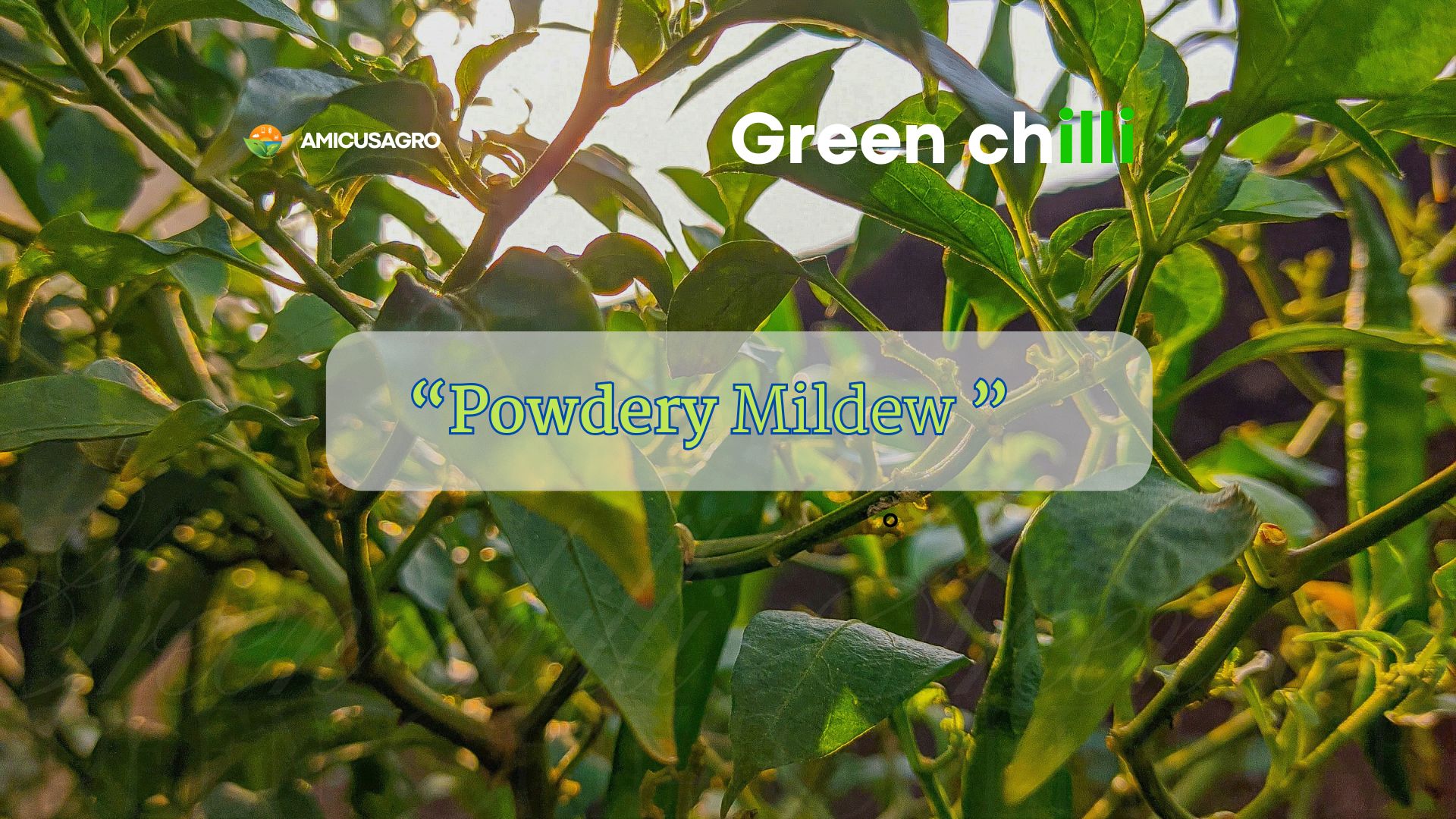
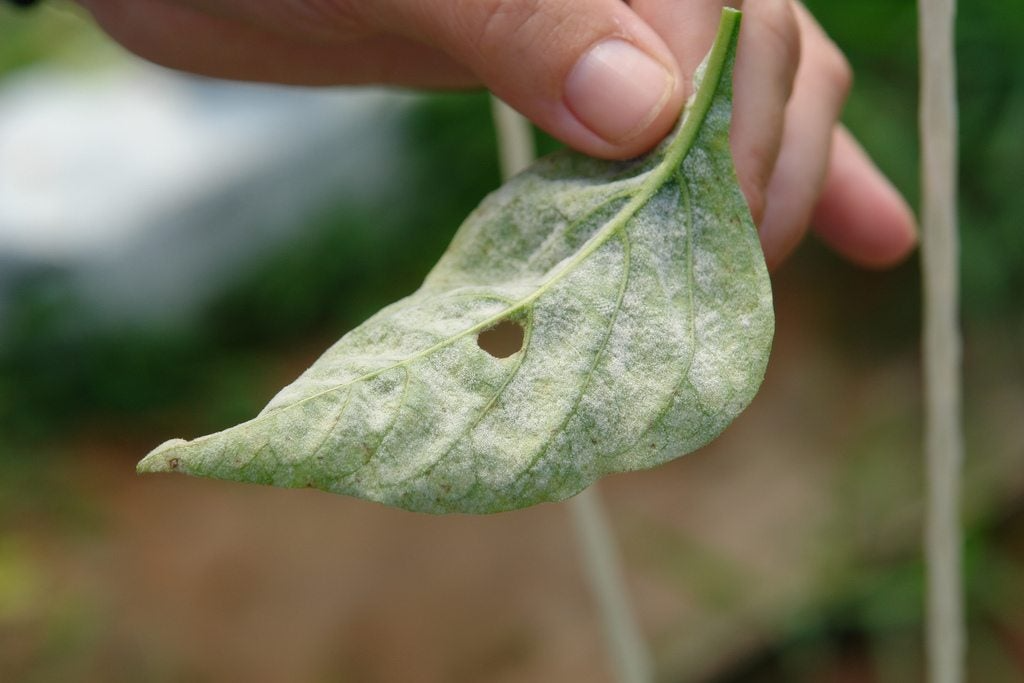
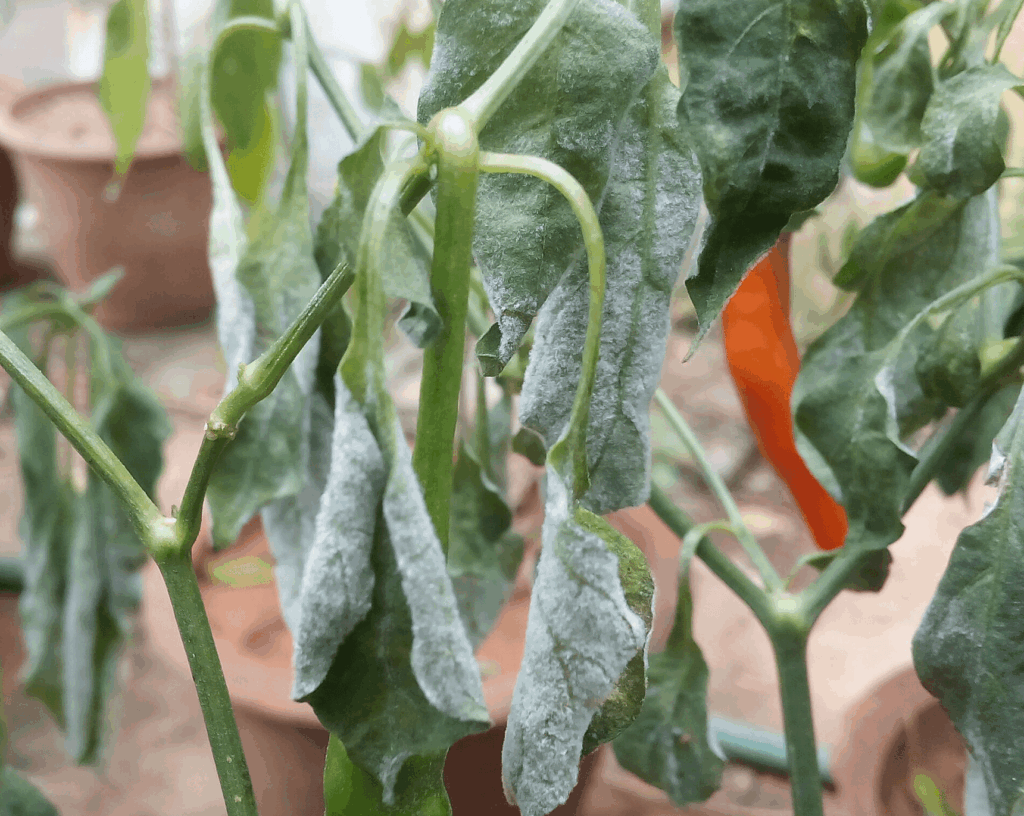
    Powdery mildew on green chili plants is caused by a fungus called Leveillula taurica. It shows up as white, powdery spots on leaves, stems, and sometimes even the chilies themselves. If you ignore it, the leaves can shrivel and fall off, leaving your precious peppers exposed to the sun and ruining your harvest.


    The Perfect Storm: Why Powdery Mildew Loves Your Garden

    This fungus is a master of survival. While many fungi need a lot of water to thrive, powdery mildew prefers warm, dry conditions with high humidity. It’s a bit of a paradox! It loves temperatures between 60°F and 77°F (15°C to 25°C) but gets a little shy when temperatures soar above 95°F (35°C).

    Interactive Poll: Do you live in a climate with hot, dry days and humid nights? (Yes/No)

     powdery mildew on the Green Chilli plant

    Your Game Plan: Simple Steps to Keep Your Plants Healthy

    Prevention is always easier than a cure. Here are some simple, low-tech ways to fight back:

    • Give Them Space: Proper air circulation is key. Make sure your plants aren’t too crowded.
    • Trim It Up: Prune away any thick, bushy sections to help air flow through the plant.
    • Watch How You Water: Water at the base of the plant, not on the leaves, and avoid watering late in the day.
    • Choose Wisely: Next time you plant, look for chili varieties that are resistant to powdery mildew.
    • Try DIY Remedies: Solutions like baking soda or diluted milk sprays can be effective if you catch the problem early.

    Share Your Tip: What’s your go-to home remedy for powdery mildew? Let us know in the comments!


    The Future is Here: Nanotechnology to the Rescue

    For a more advanced approach, we are now using silver nanoparticles (Pensil) to fight powdery mildew. This is a game-changer for high-value crops like green chilies.

    • Nano Silver: Think of these as tiny silver bullets for the fungus. They release silver ions that disrupt the fungus’s metabolism and literally suffocate its cells. They can even damage the fungus’s DNA, preventing it from reproducing.

    Using the silver nanoparticles (Pensil) is a more sustainable option, as it is effective in much smaller amounts than traditional fungicides. It’s a glimpse into the future of farming!


    Final Thought: Whether you use a simple spray or a high-tech solution, staying ahead of powdery mildew is crucial for a healthy and abundant green chili harvest. What step will you take first to protect your plants?

  • The Chili Grower’s Guide: Battling Anthracnose with Modern Solutions 🌶

    The Chili Grower’s Guide: Battling Anthracnose with Modern Solutions 🌶

    Hello fellow growers! Have you ever noticed dark, sunken spots ruining your beautiful green chilies? If so, you’re likely dealing with Anthracnose, a common but destructive fungal disease. But don’t worry—we’ve got the know-how to help you fight back, including some amazing new tech!

    What is Anthracnose?

    Think of anthracnose as a fungal infection for your chili plants. It’s caused by a group of fungi, mainly from the Colletotrichum family. This sneaky fungus loves to attack the fruit, leaving behind those tell-tale, dark, crater-like spots. Sometimes, you’ll even see orange or pink slimy rings on the spots—those are the fungal spores, ready to spread and infect more of your harvest!

    Why Does My Farm Get It? The Perfect Storm

    Anthracnose thrives in a specific environment. If you live in an area that’s warm, humid, and rainy, your farm is the perfect breeding ground.

    • Warmth: Temperatures around 27°C (80°F) are ideal for the fungus to multiply, though it can survive in a wider range.
    • Moisture: This is the key. The fungus needs water to grow and spread. Heavy rains or overhead irrigation that keeps leaves and fruit wet for long periods are its best friend.
    • The Spread: Those tiny spores can travel far! They hitch a ride on splashing water from rain or irrigation, and can even be hidden in contaminated seeds.

    Traditional Ways to Win the Fight

    Before we get to the high-tech stuff, a strong defense starts with good habits.

    • Practice Good Hygiene: Always start with disease-free seeds. Remove any infected leaves, branches, or fallen fruit from your field and destroy them. This removes the source of the infection.
    • Smart Watering: Avoid using overhead sprinklers that drench the plants. Use drip irrigation instead to deliver water directly to the roots, keeping the leaves and fruit dry.
    • Crop Rotation: Don’t grow chili peppers in the same spot year after year. Rotating your crops helps break the fungus’s life cycle.

    The Future is Here: Nano-Silver and Nano-Copper (Colicab-Cu)!

    If traditional methods aren’t enough, new nano-tech offers a powerful solution(Colicab-Cu). These microscopic particles are a game-changer!

    • Nano-Silver (AgNPs): Imagine tiny silver bullets targeting the fungus. These nanoparticles punch holes in the fungal cell walls, making them leak and die. They also block the fungus from producing energy, effectively starving it to death.
    • Nano-Copper (CuNPs): Copper nanoparticles are like microscopic warriors that create a toxic environment for the fungus. When they enter the cell, they produce Reactive Oxygen Species (ROS), which are highly destructive molecules. This process, known as oxidative stress, completely destroys the fungal cell from the inside out.

    The best part? Because they are so small and effective, you can use a much lower dosage compared to traditional fungicides, making it a more efficient and potentially safer option.

    Have you ever faced anthracnose on your farm? What methods have worked best for you? Share your experience in the comments below!

  • Protecting Your Onions: A Guide to Managing Fusarium Basal Rot 🧅

    Protecting Your Onions: A Guide to Managing Fusarium Basal Rot 🧅

    Causes of Fusarium Basal Rot

    This disease is caused by the fungus Fusarium oxysporum f. sp. cepae. 🧅

    The fungus primarily enters the plant through a few key pathways:

    • Through the Basal Plate: The fungus directly infects the “basal plate,” which is the hard, plate-like area at the bottom of the onion bulb where the roots emerge.
    • Wounds as an Entry Point: Any damage or wound to the basal plate significantly increases the risk of infection. The fungus can also spread through the soil, infecting the roots and basal plates of neighboring plants.

    Once inside, the fungus rots the basal plate, severing the connection between the roots and the bulb. This cuts off the plant’s supply of water and nutrients, causing the leaves to turn yellow and die back, which stunts the plant’s growth.


    Ideal Environment for Fusarium Basal Rot

    This disease is primarily triggered by warm soil temperatures.

    • Temperature: The ideal temperature range for disease development is 25°C to 29°C. The disease is rarely a concern in cooler soil temperatures below 15°C.
    • Continuous Cropping: Similar to other soil-borne diseases, planting onions in the same field year after year can lead to dangerously high populations of the Fusarium fungus.

    Integrated Management: The Best Control

    • Crop Rotation: The most effective way to reduce the Fusarium population in the soil is to rotate with non-host crops (like corn, lettuce, or cereals) for at least four years.
    • Planting Time: In regions with hot summers, plant earlier in the season so the crop can mature before soil temperatures get too high, minimizing disease pressure.
    • Enhance Soil Health: Healthy, well-draining soil fosters robust root systems that are more resistant to infection.
    • Fungicides: To protect the roots and basal plate, fungicides specifically for Fusarium should be applied to the soil via spraying or drenching.

    The Role of Nano Silver (Siller-100)

    • Nano Silver: Nano silver is an effective disinfectant for soil. Its microscopic particles can actively destroy the Fusarium fungus when applied as a drench. Its ability to disrupt the fungus’s cell walls and metabolism provides strong protection for the roots, especially when seedlings are still vulnerable.
  • Understanding and Preventing Damping-Off in Onion Cultivation 🧅

    Understanding and Preventing Damping-Off in Onion Cultivation 🧅

    Why Damping-off Occurs 🦠

    Damping-off is a serious disease in onions caused by a complex of various soil-borne fungi, most frequently Pythium, Rhizoctonia, and Fusarium. The disease attacks in two primary ways:

    1. Pre-emergence Damping-off: The fungus attacks and rots the seed before it can sprout and break through the soil. From a farmer’s perspective, this looks like empty patches in the seedling tray or extremely poor germination. 😔
    2. Post-emergence Damping-off: This is the classic symptom. After successfully sprouting, the seedling abruptly develops a thin, constricted, or water-soaked lesion at the soil line. The stem becomes weak, can no longer support the seedling, and it topples over and dies, even though the upper leaves might still look green.

    The Ideal Conditions for Damping-off 🌧️

    The primary factors influencing damping-off are the nursery’s soil and surroundings.

    • Overwatering and high soil moisture are the most common causes.
    • Poor Drainage: Waterlogging results from using heavy, compacted soil or seedling trays that lack sufficient drainage holes. 💧
    • Cloudy, damp, and cool weather: Slowed growth caused by low light and cool temperatures means seedlings remain in their vulnerable stage longer, giving the fungus more time to attack. ☁️
    • High Seed Density: Excessive seeding results in spindly, feeble seedlings and poor air circulation, which retains moisture at the soil’s surface.

    How to Control It 🛡️

    The best way to control damping-off is to prevent it. This involves controlling the nursery environment and safeguarding the seed and seedling.

    • Use Sterile Media: Start your seedlings with a sterile, well-draining, soilless potting mix. Make sure the nursery has adequate ventilation or use a fan to keep the soil surface dry. 🌬️
    • Plant Sparingly: Avoid planting your seeds too densely. 🌱

    Role of Nano Silver (Siller-100) 🧪

    Nano silver (Siller-100) can effectively disinfect the soil. Its microscopic particles actively kill Pythium, Rhizoctonia, and other damping-off pathogens when applied as a drench within the soil. Its dual mechanism of causing cell wall damage and metabolism disruption results in a potent sterilizing effect in the root zone. This makes it effective for both prevention and halting the spread of an outbreak to other seedlings in a tray. ✨

    Did you find this information helpful? Like and share this post with other farmers, and leave a comment below with your own tips for preventing damping-off in onions!

  • Understanding and Preventing Black Mold on Onions 🧅

    Understanding and Preventing Black Mold on Onions 🧅

    Why Black Mold Occurs

    The culprit behind black mold on your onions is the fungus Aspergillus Niger, which is commonly found in dust, soil, and the air around us.

    How Onions Get Infected 🦠

    • Physical Damage: This is the most common way for the fungus to gain a foothold. Cuts, scrapes, and bruises that occur during harvesting and transportation provide the perfect entry points.
    • Improper Curing: When onions aren’t dried properly, the fungus can easily infect the moist necks and outer skins.
    • Pest Damage: In the field, wounds from pests like onion maggots can leave an opening that the mold can later exploit in storage.

    The Ideal Conditions for Mold Growth 🌡

    Black mold is primarily a storage disease that thrives in specific conditions.

    • High Temperatures: Heat is ideal for the fungus’s growth, with the best temperatures being between 28°C and 35°C. It also requires high humidity, usually above 80% relative humidity.
    • Poor Ventilation: Mold thrives in stagnant, humid environments where inadequate airflow traps heat and moisture.

    Controlling Black Mold

    Preventing black mold through proper handling and storage is always the best approach. Chemical treatments are a second line of defense.

    • Cure Well: Before storing, ensure the outer skins are completely dry and papery, and the onion necks are tight.
    • Store Properly: Keep onions in a cool, well-ventilated area to maintain low humidity. While the ideal storage temperature is near 0°C (32°F), any cool, dry location is better than a warm, humid one.

    How Nano Silver Can Help (Siller-100)

    • Nano Silver 100 PPM: This actively kills spores that are already on the bulb’s surface. Its tiny particles damage the fungus in several ways: by breaking down its cell walls, interfering with its metabolism, and preventing it from reproducing. This makes it a great way to clean bulbs before long-term storage.

    Did you find this information helpful? Share your thoughts in the comments below or pass this on to someone who might find it useful!

  • The Unseen Threat: Battling White Rot in Onion Crops 🧅

    The Unseen Threat: Battling White Rot in Onion Crops 🧅

    Hello Plant Parents ,🌱

    For onion growers, a major threat is White Rot, caused by the fungus Sclerotium cepivorum. Once it establishes in the soil, it can survive for many years and spread rapidly under favorable conditions. White rot affects the roots, covering them with white threads (mycelium), causing the plants to wilt, die back, and halt growth.

    Favorable Environment for White Rot❄💧

    White rot thrives in cool and moist conditions. Soil that is damp with a pH of 6–7 is ideal for its growth. The fungus is most active at temperatures between 15–25°C, though it can survive and spread between 0°C and 30°C. Areas with living onion roots accelerate the spread, making certain fields more vulnerable.

    Nano Silver: Modern Solution (Siller-100)🥈

    A modern preventive measure that is gaining popularity among farmers is Nano Silver (100 ppm). Nano Silver consists of extremely small silver ions (Ag⁺) that are highly effective against fungal growth.

    How Nano Silver Works:

    • Its nanoparticle size allows it to penetrate fungal cells easily.
    • It disrupts proteins and enzymes required for fungal growth.
    • It can damage the fungal DNA, stopping reproduction.

    By applying 100 ppm Nano Silver, the spread of the fungus is reduced, the roots remain healthy, and the plants grow normally.

    Conclusion

    White rot in onions is a hidden threat in the soil, but with proper field management, hygiene, and modern solutions like Nano Silver( Siller-100) , it is possible to control the disease and maintain healthy, productive onion crops.


  • Understanding & Managing Onion Downy Mildew🧅

    Understanding & Managing Onion Downy Mildew🧅

    Understanding Downy Mildew (Keveda) on Onion Crops 🧅

    What is Downy Mildew and Why Does It Occur?

    Downy mildew is a fungal disease caused by the fungus Peronospora destructor. This fungus can lie dormant in the soil on old crop residue, onion bulbs, or on seeds. When conditions are just right, the fungus becomes active and spreads, infecting the onion crop.

    Favorable Conditions for the Disease 🌧️🌡️

    The fungus thrives in specific environmental conditions:

    • Cool and Humid Weather: Temperatures between 20°C and 23°C and humidity above 85% are ideal for the fungus to grow. 💧
    • Moisture on Leaves: The fungal spores need water to germinate. If water from rain, dew, or irrigation stays on the leaves for 5-6 hours or longer, the spores can grow and penetrate the leaf tissue. 💦
    • Dense Planting: Planting onions too close together reduces air circulation, which increases humidity and speeds up the spread of the fungus. ‍🌾
    • Foggy and Cloudy Conditions: Moist conditions, common during winter or after the rainy season, can increase the risk of this disease. ☁️

    How Nano Copper and Silver Control Downy Mildew

    Nano copper and nano silver are extremely effective at controlling this disease because of their ultrafine particle size.

    • Microscopic Size: The particles are so small that they can easily penetrate and destroy fungal cells. This makes them more effective than traditional fungicides. 🔬
    • Fungicidal Properties: Both copper and silver naturally have properties that destroy fungi and bacteria. Nanotechnology intensifies these properties, making them more powerful.
    • Safe Usage: Traditional copper-based fungicides can sometimes harm plants, but because a smaller amount of the nano-form is needed, it doesn’t negatively impact the crop.
    • Complete Coverage: Nano particles spread easily over the leaf surface, providing complete protection to the entire leaf and leaving no place for the fungus to hide. 🌿
  • पावसामुळे वेलवर्गीय पिकांवर वाढलेल्या डावणी मिल्ड्यू आणि करपा रोगाच्या प्रादुर्भावावर प्रभावी उपाय 🌧️🌱

    पावसामुळे वेलवर्गीय पिकांवर वाढलेल्या डावणी मिल्ड्यू आणि करपा रोगाच्या प्रादुर्भावावर प्रभावी उपाय 🌧️🌱

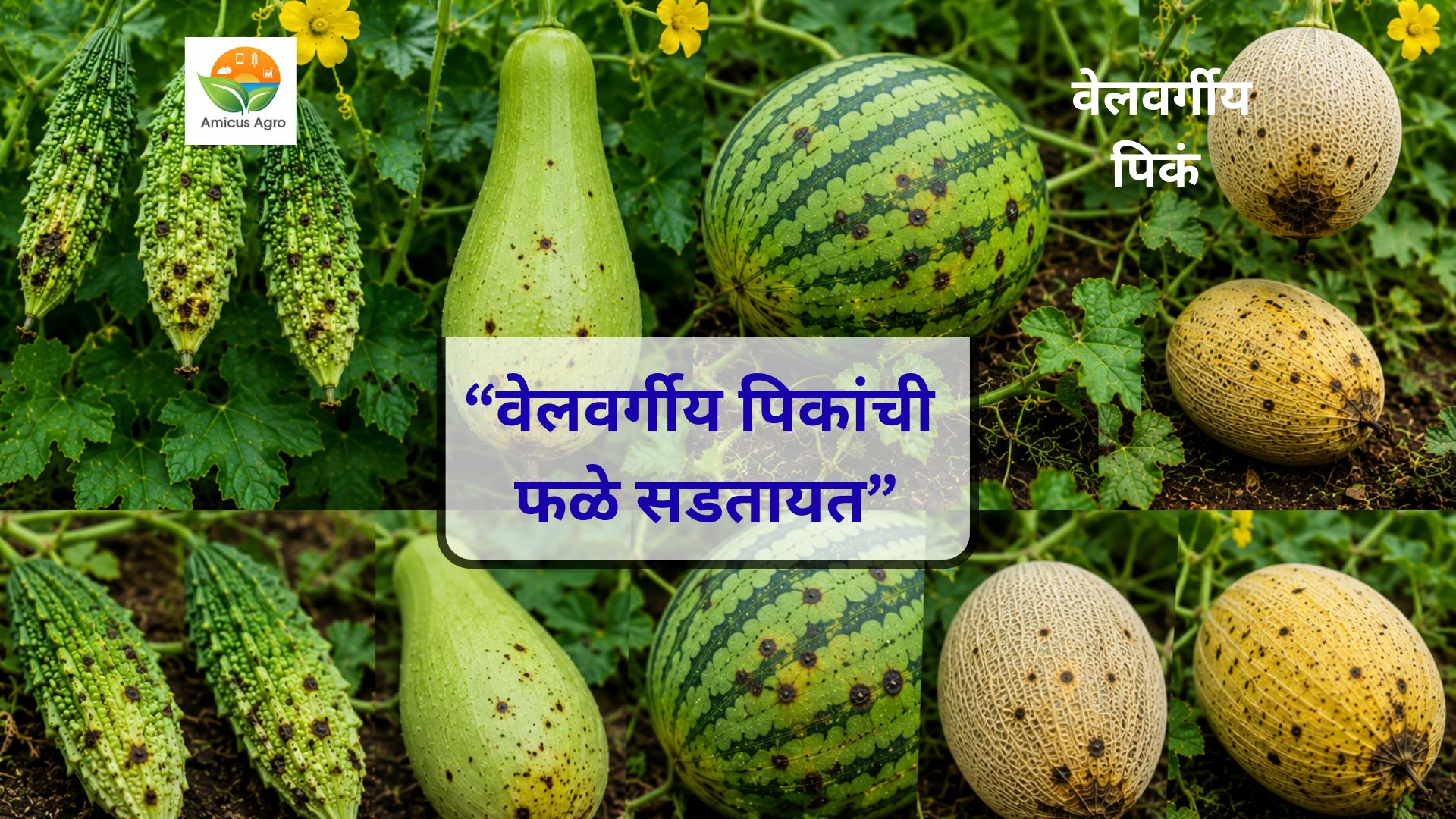
    मागील आठवड्यात झालेल्या पावसामुळे 🌧️ राज्यातील वेलवर्गीय (काकडी, भोपळा, कारले, आणि कलिंगड) पिकांवर डावणी मिल्ड्यू आणि करपा रोगाचा प्रादुर्भाव मोठ्या प्रमाणात वाढला आहे. या रोगाची सुरुवात पानांवर पिवळ्या रंगाचे अनियमित आकाराचे ठिपके दिसण्याने होते. विशेषतः पानांच्या खालच्या बाजूला जांभळ्या किंवा करड्या रंगाची बुरशीची वाढ स्पष्टपणे दिसते. रोग वाढल्यास पाने तपकिरी होऊन वाळतात आणि गळून पडतात 🍂, ज्यामुळे प्रकाशसंश्लेषण प्रक्रिया बाधित होते. करपा रोगामुळे पानांवर आणि फळांवर काळे किंवा तपकिरी रंगाचे डाग येतात. पानांवरील डाग गोलाकार असून ते मोठे होऊन एकमेकांत मिसळतात. फळांवर खोलगट आणि काळसर डाग तयार होतात, ज्यामुळे फळे सडतात आणि त्यांची गुणवत्ता पूर्णपणे घटते .

    डावणी मिल्ड्यूसाठी रोगाची लक्षणे दिसताच मॅन्कोझेब, क्लोरोथॅलोनील, किंवा सायमोक्सॅनिल + मॅंकोझेब यांसारख्या बुरशीनाशकांची शिफारशीनुसार फवारणी करावी. तर करपा नियंत्रणासाठी कॉपर ऑक्सिक्लोराईड, कार्बेन्डाझिम, किंवा थायोफिनेट मिथाइल यांचा वापर करू शकता. पण करपा आणि डावणी रोगाच्या एकत्रित नियंत्रणासाठी नॅनो कॉपर अधिक सिल्व्हर या संयुक्त डिसइन्फेक्टंटची फवारणी हि फायदेशीर ठरते.

    पारंपारिक उपायांच्या तुलनेत नॅनो कॉपर आणि नॅनो सिल्वर सारखी नॅनो-आधारित उत्पादने अधिक प्रभावी आणि कार्यक्षम ठरत आहेत. ही नॅनो उत्पादने वापरल्यास पारंपरिक बुरशीनाशकांपेक्षा चांगला आणि जलद परिणाम मिळू शकतो . ते बुरशीच्या पेशींच्या आत सहजपणे प्रवेश करतात आणि त्यांची वाढ थांबवतात. नॅनो कणांचा पृष्ठभाग मोठा असल्यामुळे, नॅनो कणांमुळे औषध पानांवर चांगल्या प्रकारे पसरते आणि कमी प्रमाणात वापरले तरी प्रभावी ठरते. यामुळे औषधांचा वापर कमी होतो आणि शेतकऱ्यांचा खर्चही वाचतो . कमी रसायने वापरली जात असल्यामुळे पर्यावरणावर होणारा नकारात्मक परिणाम कमी होतो. नॅनो-आधारित उत्पादने पर्यावरणासाठी अधिक सुरक्षित मानली जातात. नॅनो कॉपर आणि नॅनो सिल्वर दोन्ही बुरशीजन्य आणि जीवाणूजन्य रोगांवर प्रभावी आहे.

  • Protect Your Onion Harvest: A Farmer’s Guide to Beating Downy Mildew

    Protect Your Onion Harvest: A Farmer’s Guide to Beating Downy Mildew

    Hello there, green thumbs and plant enthusiasts! 🌿 Ever wondered why your onions are looking a little… sad? You might be dealing with downy mildew, a notorious fungal disease. Don’t worry, we’re here to help you understand this pesky problem and how to fight it! Let’s dive in.


    What’s Up with Downy Mildew?

    Downy mildew isn’t actually a true fungus; it’s caused by a water mold called Peronospora destructor. This clever organism loves to attack onions and other related plants. It has a few sneaky ways of getting started in your garden:

    • Systemic Infection: This is a bit of a head start for the disease. The pathogen can be hiding inside infected onion bulbs or planting sets. When you plant them, the disease grows right along with your onions, making it an early problem.
    • Airborne Spores: This is the most common way it spreads during the growing season. The pathogen produces tiny, airborne spores on the leaves of infected plants. These spores catch a ride on the wind, especially at night, and land on healthy plants, ready to start a new infection.

    The Perfect Storm for an Outbreak

    Downy mildew loves a specific kind of weather. If you’ve got these conditions, keep a close eye on your plants!

    • Cool Temperatures: The ideal temperature for the fungus to produce spores is between 4°C and 16°C (40°F and 61°F). For infecting new leaves, it prefers a slightly warmer range of 10°C to 22°C (50°F to 72°F). 🥶
    • Leaf Wetness: Spores need moisture to germinate and infect the plant. A few hours of dew, fog, or light rain—think two to seven hours of wet leaves—is all it takes for the spores to get a foothold.

    A Tale of Two Protectors: Nano Copper and Nano Silver

    Fortunately, there are some powerful tools to help you combat downy mildew. Nano copper and Nano silver are two effective options, each with a different approach.

    Copper: The Guardian 🛡️

    Think of copper as a preventative barrier. When you spray it on your plants, it creates a thin, protective layer over the leaves. When a downy mildew spore lands on this copper shield, the copper ions are absorbed. These ions act like a poison, interfering with the spore’s vital enzyme functions and stopping it from germinating. Copper’s main job is prevention, so you must apply it before the spores land to be effective.

    Nano Silver: The Aggressive Attacker ⚔️

    Nano silver is a bit more of a dual-threat! It acts as both a preventative measure and a treatment. The magic lies in its incredibly tiny size. The silver nanoparticles are so small they can penetrate the cell walls of the downy mildew pathogen, causing havoc from multiple angles. It can effectively kill the pathogen on contact, making it a great option for both stopping an infection from starting and treating one that has already begun.


    By understanding how downy mildew works and the unique ways these Nano-particles fight it, you can protect your onions and ensure a bountiful harvest. Happy gardening! 👩‍🌾 What other plant diseases have you had to deal with?

  • पावसामुळे झालेल्या पिकांच्या नुकसानीवर उपाययोजना

    पावसामुळे झालेल्या पिकांच्या नुकसानीवर उपाययोजना

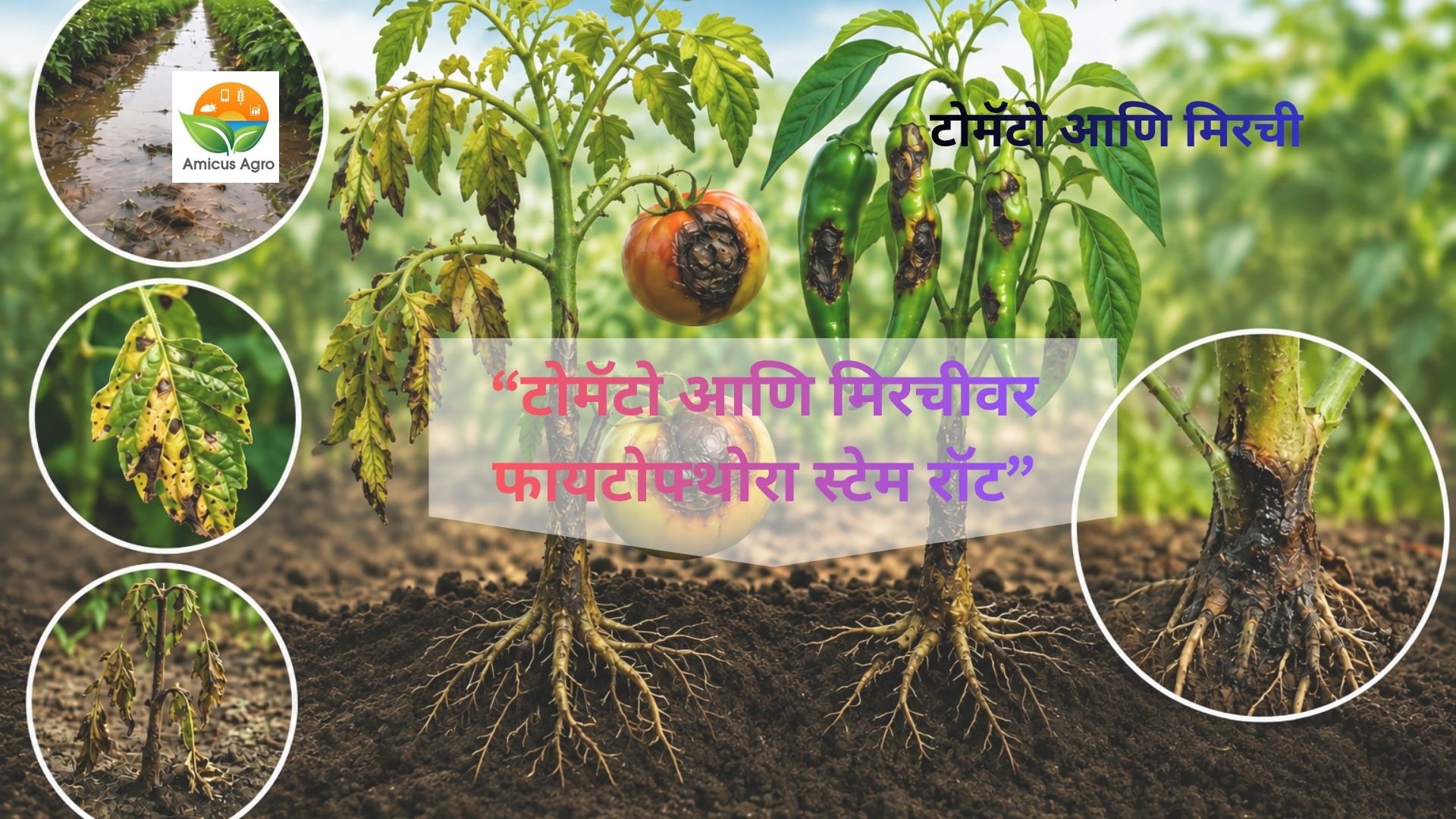
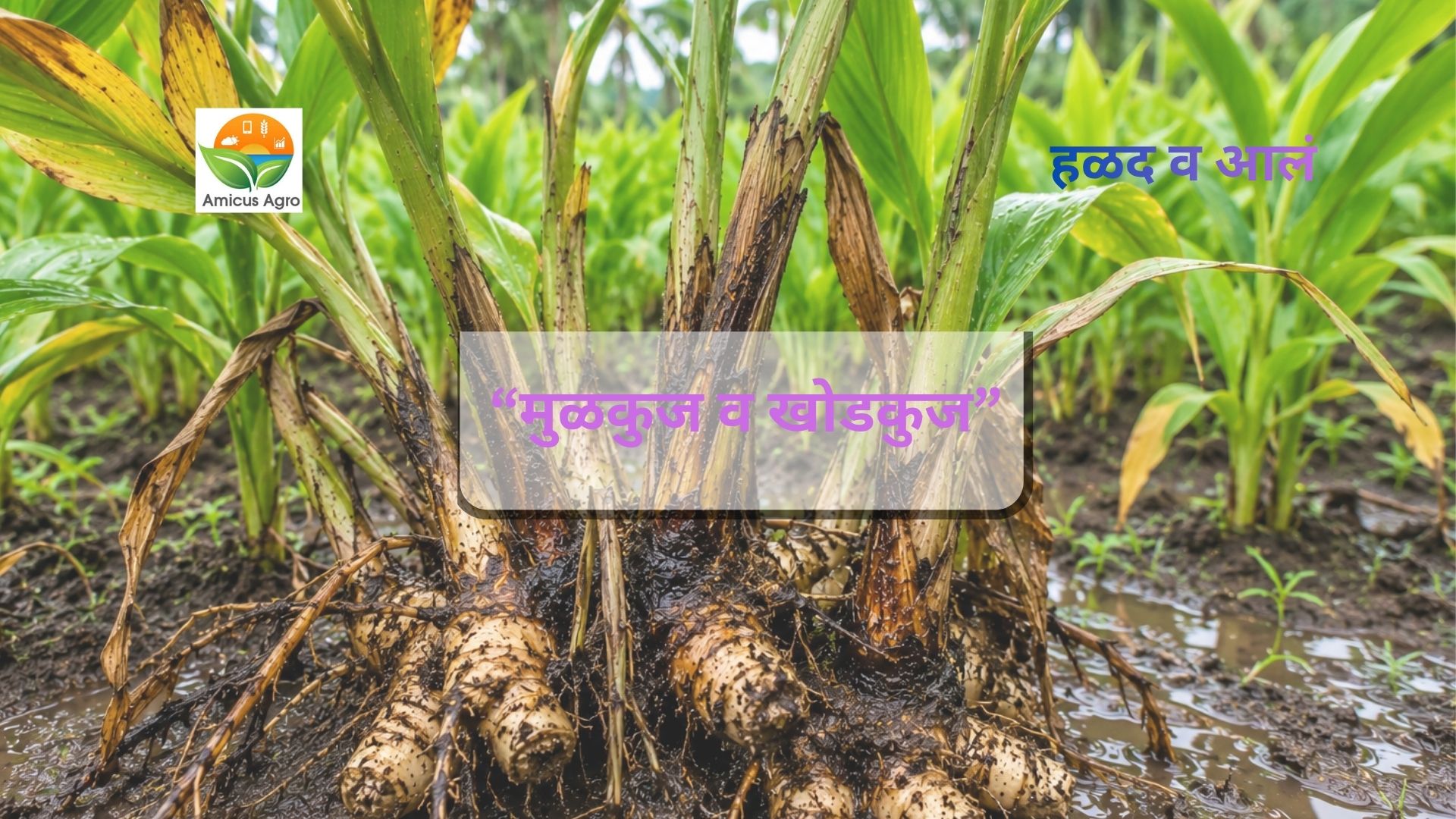
    गेल्या काही दिवसांपासून सुरू असलेल्या संततधार पावसामुळे खरीप हंगामातील पिकांचे मोठ्या प्रमाणात नुकसान होत आहे. शेतात पाणी साचल्यामुळे पिकांमध्ये मर, मूळकुज, खोडसड आणि इतर जमिनीजन्य रोगांचा प्रादुर्भाव वाढला आहे. यामुळे झाडांची मुळे आणि खोड कमकुवत होऊन ती मरतात. यासाठी शेतात साचलेल्या पाण्याचा त्वरित निचरा करणे आवश्यक आहे. कारण पाणी साचल्यामुळे मुळांना ऑक्सिजन मिळत नाही आणि ती सडतात. यामुळे अतिरिक्त पाणी शेतातून बाहेर काढता येईल आणि मुळांजवळ हवा खेळती राहील याकडे लक्ष देणे आवश्यक आहे.

    रोगांचा प्रादुर्भाव रोखण्यासाठी जैविक आणि रासायनिक बुरशीनाशकांचा वापर करणे फायदेशीर ठरते. ट्रायकोडर्मा व्हिरीडी आणि स्यूडोमोनास फ्लोरोसेन्स यांसारखी जैविक बुरशीनाशके जमिनीत मिसळल्यास रोगकारक बुरशीची वाढ थांबते. रोगाची लक्षणे दिसल्यास, कार्बेन्डाझिम किंवा मॅन्कोझेब सारख्या रासायनिक बुरशीनाशकाचे द्रावण तयार करून झाडांच्या मुळाभोवती आळवणी करावी.


    नॅनो सिल्व्हर (Siller-100): जमिनीतील रोगांवर प्रभावी उपाय

    तुम्ही नॅनो सिल्व्हर(siller-100) ची आळवणी देखील करू शकता. नॅनो सिल्व्हर हे अतिसूक्ष्म कणांच्या साहाय्याने थेट बुरशीच्या पेशीभित्तीवर हल्ला करून त्यांना छिद्र पाडते, तसेच DNA आणि प्रथिनांवर परिणाम करून बुरशी पूर्णपणे निष्क्रिय करते. त्यामुळे बुरशीची वाढ थांबते आणि ती नष्ट होते. हे अनेक ठिकाणी एकाच वेळी परिणाम करत असल्यामुळे बुरशीला प्रतिकारशक्ती निर्माण करण्याची संधी मिळत नाही, तसेच कमी प्रमाणात वापरले तरी चांगला आणि दीर्घकाळ टिकणारा परिणाम मिळतो. याचा जमिनीवर रासायनिक अवशेष राहत नाही आणि माती व पिकांसाठीही हे सुरक्षित ठरते.

    याउलट पारंपरिक बुरशीनाशकं बुरशीच्या जीवनचक्रातील फक्त एका टप्प्यावर, जसे की अंकुरण किंवा वाढ, इथे परिणाम करतात. त्यामुळे त्यांचा परिणाम मर्यादित राहतो आणि सतत वापरल्यास बुरशी लवकर प्रतिकारशक्ती निर्माण करते. शिवाय जास्त प्रमाणात वापरावे लागल्यामुळे जमिनीत रासायनिक अवशेष राहतात आणि उपयुक्त सूक्ष्मजीवांनाही हानी पोहोचू शकते. त्यामुळे जमिनीतून पसरणाऱ्या रोगांवर नियंत्रण मिळवण्यासाठी आणि दीर्घकालीन सुरक्षिततेच्या दृष्टीने नॅनो सिल्व्हर हा अधिक परिणामकारक आणि आधुनिक उपाय मानला जातो.
    👉 तुम्ही पावसाळ्यात कोणते रोग अनुभवले आहेत? कमेंटमध्ये नक्की सांगा.
    👉 हा लेख उपयुक्त वाटला तर तुमच्या मित्रांसोबत शेअर करा.

  • 🧅 Fighting Purple Blotch in Your Onion Patch 🧅

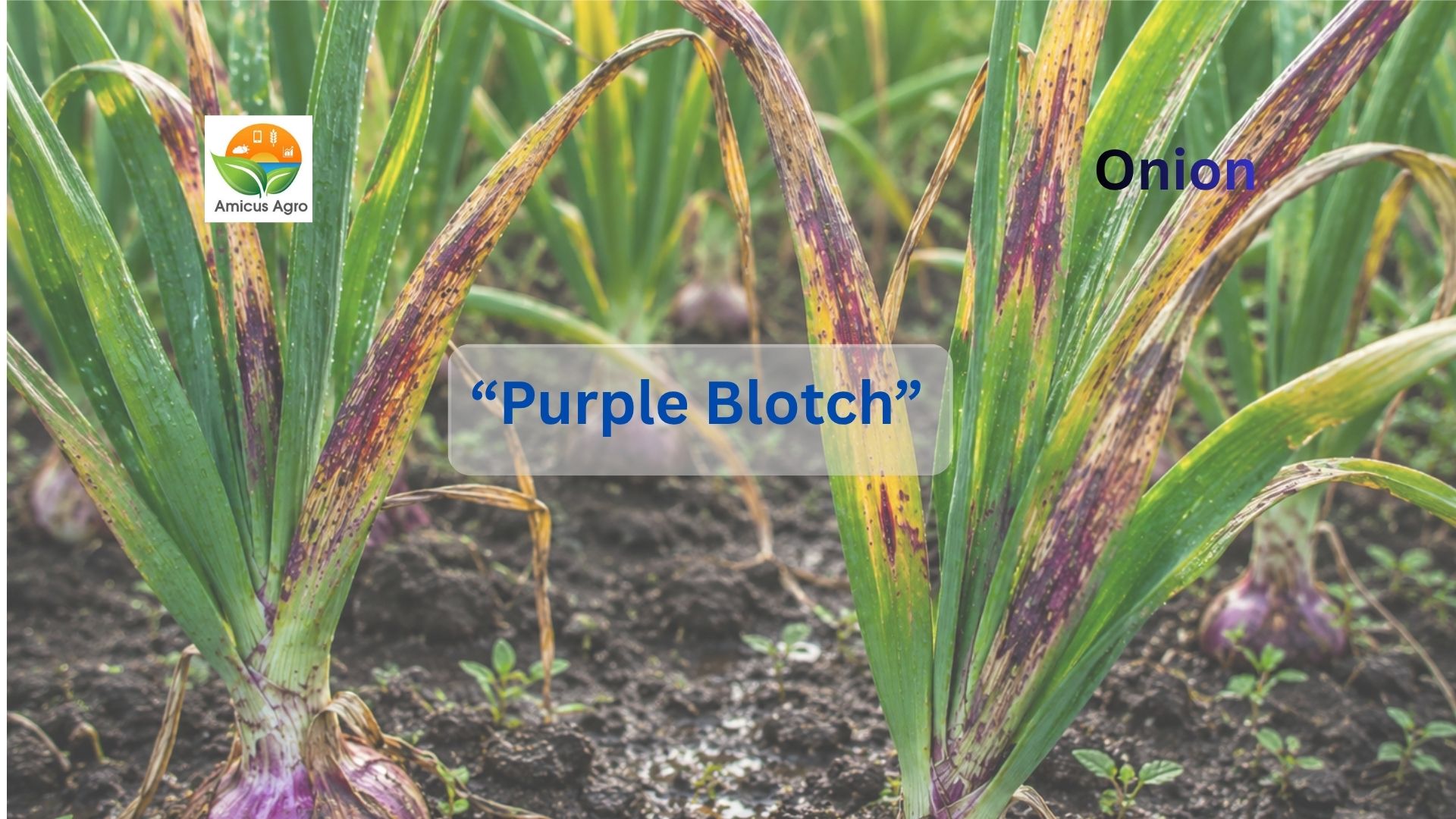
    🧅 Fighting Purple Blotch in Your Onion Patch 🧅


    Is your onion crop looking a little sad with purplish spots? 😟 You might be dealing with Purple Blotch, a common fungal disease that can wreak havoc on your harvest. Don’t worry, we’re here to break down why it happens and how you can fight back! 💪

    What’s Behind the Blotch?

    The culprit is a fungus called Alternaria porri. Think of it as a tiny, destructive seed waiting for the perfect conditions to sprout. Here’s how it gets started:

    • Past Problems: The fungus can survive the winter on leftover onion leaves and debris from the last season. It’s like a hidden enemy waiting for spring! 🍃
    • Wind and Rain: When the weather is right, the fungus releases microscopic spores that are easily carried by wind and splashes of water from rain or irrigation. 💨💧
    • Weak Spots: Spores love to infect healthy leaves, but they find it much easier to get in through wounds caused by pests (like thrips), hail, or any mechanical damage. It’s like an open door for the disease. 🚪
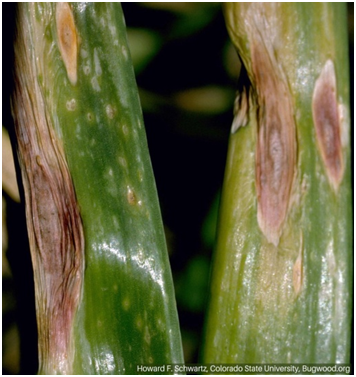
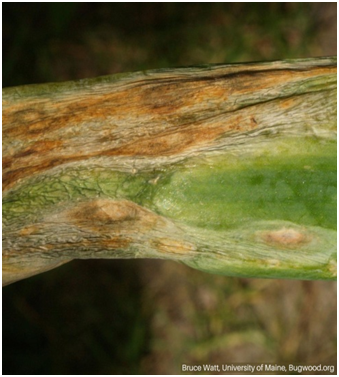
    purple blotch of onion
    purple blotch of onion
    purple blotch

    The Perfect Storm for Fungus ⛈️

    This fungus loves a specific environment to really take off:

    • High Humidity: It thrives in air with over 90% humidity.
    • Wet Leaves: Spores need a film of water on the leaves to germinate. This happens when your onion leaves stay wet for more than 12 hours from dew, light rain, or fog. 🌧️
    • Warmth: It’s happiest in temperatures between 21°C and 30°C (70°F and 86°F). 🌡️

    Your Secret Weapons: Nano Copper & Silver (Colicab – Cu) 🛡️

    So, how do you protect your crop? Nanoparticle solutions of copper and silver are fantastic tools for controlling this fungus. They work in a few clever ways:

    • Physical Attack: They physically damage the fungus’s cell wall and membrane, making it leak and fall apart. 💥
    • Stopping the Engine: Once inside, they shut down the fungus’s metabolism by deactivating vital enzymes, essentially suffocating it. 😮‍💨
    • Corrupting the Blueprint: They even mess with the fungus’s DNA, preventing it from reproducing. This multi-pronged attack makes it incredibly hard for the fungus to become resistant. 🧬
    • Protective Shield: Copper, in particular, acts as a powerful preventative shield, stopping the infection from ever starting. It’s like putting on armor before the battle begins! ⚔️

    By understanding how this disease works and using the right tools, you can protect your onion harvest and keep your crop healthy and strong! 🧅✨

  • Battling Bacterial Leaf Spot in Your Tomato Garden 🍅

    Battling Bacterial Leaf Spot in Your Tomato Garden 🍅

    Is your tomato crop showing signs of spotting? You might be facing Bacterial Leaf Spot, a tricky disease that loves to attack in warm, humid weather. Let’s break down what it is, how it spreads, and what you can do to protect your plants!


    What is Bacterial Leaf Spot?

    This disease is caused by several microscopic bacterial species from the Xanthomonas family. These tiny organisms can cause big problems, turning healthy leaves into a spotted mess.

    How Does It Spread?

    This disease is an expert at finding its way into your garden.

    • Contaminated Seeds & Transplants: The most common entry point is through infected seeds or seedlings. Always start with clean, certified plants to give yourself a head start.
    • Water Splash: The real danger lies in water. Bacteria on an infected leaf can be splashed onto a healthy one by rain or overhead irrigation. From there, they “swim” in the water film on the leaf surface, looking for an entry point. 💧
    • Warm, Humid Weather: This is the perfect breeding ground. The bacteria thrive in temperatures between 24°C and 30°C. High humidity, prolonged dew, and frequent rain create the ideal conditions for the disease to spread quickly throughout your tomato crop. ☀️
    bacterial leaf spot in tomato
    bacterial leaf spot in tomato
    bacterial leaf spot in tomato

    Your Secret Weapons: Nano Silver and Copper (Colicab-Cu)

    Once this disease is established, it can be tough to control. That’s why prevention is your best strategy. Two powerful tools in your arsenal are copper compounds and nano silver.

    Copper Compounds: The Protective Shield 🛡️

    Copper is a widely used bactericide that acts like a protective barrier for your plants.

    • How It Works: When sprayed, it creates a layer on the leaf surface. When bacteria land on this layer, the released copper ions are poisonous to them, stopping them from growing and infecting the plant.
    • Best Use: Apply copper before a rainstorm. It works as a preventive shield to stop infections from ever starting.

    Nano Silver: The Aggressive Disinfectant ⚔️

    Nano silver is a modern, potent bactericide that actively attacks and kills bacteria.

    • How It Works: Its microscopic particles work in multiple ways:
      • They break open the bacterial cell wall.
      • They disrupt the bacteria’s metabolism and energy production.
      • They damage the bacteria’s DNA, preventing them from reproducing.
    • Best Use: Because it actively kills bacteria, nano silver can help manage an existing infection and stop it from spreading further. Plus, its multi-action mechanism makes it very difficult for bacteria to become resistant.

    Final Takeaway

    Bacterial Leaf Spot is a moisture-driven disease that thrives in warm, humid conditions. The best defense is to manage the moisture in your field and apply a protective spray, like copper or nano silver, especially before it rains. Stay proactive and keep your tomato plants healthy and thriving! 🌱

  • Powdery Mildew: Your Guide to a Healthy, Fungus-Free Garden

    Powdery Mildew: Your Guide to a Healthy, Fungus-Free Garden

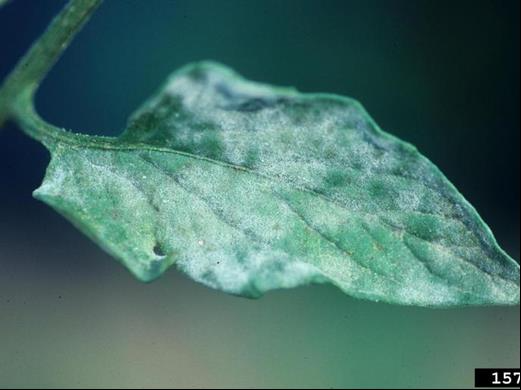
    Have you ever looked at your tomato plants and noticed the leaves look like they’ve been sprinkled with a fine, white powder? That’s most likely powdery mildew, a common fungal disease that can weaken your plants and reduce your harvest.


    🦠 What Causes Powdery Mildew?

    This disease is caused by different species of fungi, most often Oidium lycopersici or Leveillula taurica. Unlike some fungi, these are “obligate parasites,” which means they can’t survive without a living plant host. They’re masters at spreading and finding new hosts.

    This fungus loves a specific set of conditions:

    • High Humidity: It thrives in humid environments, especially when plants are grown close together with poor air circulation.
    • Dry Leaves: This might sound surprising, but powdery mildew spores actually need dry leaf surfaces to germinate and spread. Rain or overhead watering can wash the spores off the leaves, which helps prevent its growth.
    • Moderate Temperatures: The ideal temperature range for this fungus is 20°C to 30°C (68°F to 86°F).

    🛡️ Your Plant’s Shield: Nano-Silver (Siller-100)

    Fortunately, there are effective ways to prevent and treat this pesky problem. Nano-silver is the most powerful tool in your gardening arsenal.

    • Nano-Silver: This is a more modern and aggressive treatment. The tiny nano-silver particles can both protect and cure an existing infection. Once they make contact with the fungus, they get right to work:
      • They break through the fungal cell wall.
      • They interfere with the fungus’s respiration and energy production, essentially suffocating it.
      • They alter the fungus’s DNA, preventing it from reproducing and spreading further.

    By understanding the conditions that favor powdery mildew and using effective treatment like and nano-silver, you can keep your plants healthy and your harvest abundant.